


Products Features

Exceptional Resistance to Reducing Acids
High molybdenum content (26–30%) imparts near-perfect corrosion resistance to Hastelloy B-2 in reducing media such as hydrochloric acid, dilute sulfuric acid, and phosphoric acid, far surpassing conventional austenitic stainless steels and most nickel-based alloys.

Excellent Hydrochloric Acid Corrosion Resistance
It remains stable in full-concentration hydrochloric acid below boiling point, with no tendency for pitting or intergranular corrosion. It also withstands non-oxidizing acids such as hydrogen chloride gas, formic acid, and acetic acid.

Good Intergranular Corrosion Resistance
The low carbon (≤0.01%) and low silicon (≤0.08%) design significantly reduces the risk of carbide and silicide precipitation in the weld heat-affected zone, allowing its use in most corrosive environments in the as-welded condition without requiring post-weld heat treatment.

Moderate Resistance to Sulfuric and Phosphoric Acids
It performs well in sulfuric and phosphoric acids of moderate concentration or lower, especially suitable for non-oxidizing acid solutions containing chlorides or fluorides.
Good Formability and Weldability
It can be formed by conventional hot and cold working processes and has good weldability (GTAW, GMAW, SMAW). It is recommended to use matching Hastelloy B-2 filler wire. Care should be taken to avoid oxidizing atmospheres (such as nitric acid or oxygen-containing solutions), as corrosion rates will significantly increase otherwise.
Technical Specifications
Chemical Composition
|
Element |
Standard Requirements |
Notes |
|
Ni |
Remaining amount (≥65%) |
Matrix elements that provide corrosion resistance |
|
Mo |
26.0 – 30.0% |
Core components that provide acid resistance |
|
Fe |
≤ 2.0% |
Strict control to prevent reduced corrosion resistance |
|
Cr |
≤ 1.0% |
Extremely low chromium content to prevent performance degradation in reducing acids |
|
C |
≤ 0.01% |
Ultra-low carbon content, preventing intergranular corrosion |
|
Si |
≤ 0.08% |
Low silicon content, preventing intergranular corrosion tendency |
|
Co |
≤ 1.0% |
Impurity Control |
|
Mn |
≤ 1.0% |
A small amount of oxygen absorber |
|
P |
≤ 0.020% |
Impurity |
|
S |
≤ 0.010% |
Prevent hot brittleness |
Physical Properties
|
Property |
Value/Range |
Test Conditions |
|
Density |
9.24 g/cm³ |
Room temperature (20°C) |
|
Melting Point |
1330 - 1380°C |
- |
|
Coefficient of Thermal Expansion (20-100°C) |
13.6 × 10⁻⁶ /K |
- |
Mechanical Properties (Annealed Condition, Typical Values)
|
Property |
Typical Value |
Specification |
|
Tensile Strength |
≥ 760 MPa |
ASTM B333 / B622 |
|
Yield Strength |
≥ 350 MPa |
ASTM B333 / B622 |
|
Elongation |
≥ 40% |
ASTM B333 / B622 |
|
Hardness |
≤ 100 HRB |
- |
High-temperature performance
Hastelloy B-2 is primarily designed for moderately low-temperature reducing corrosive environments (long-term use at ≤ 450°C). Its corrosion resistance drops sharply in oxidizing atmospheres (such as oxygen-containing solutions or nitric acid) and is not recommended for oxidizing media.
Pitting Resistance Equivalent (PREN): PREN = %Cr + 3.3×%Mo + 16×%N. Due to its extremely low chromium content (≤1%), the PREN value is low, making it unsuitable for oxidizing environments containing chlorides. This alloy is not designed for pitting resistance but focuses on uniform corrosion resistance in reducing acids.
Critical Pitting Temperature (CPT): Not applicable (not resistant to corrosion in chloride-containing oxidizing environments).
Suitable Media:
Hydrochloric acid (all concentrations, below boiling point)
Dilute sulfuric acid (≤60% concentration)
Phosphoric acid (non-oxidizing conditions)
Organic acids such as formic acid, acetic acid, and propionic acid
Hydrogen chloride gas (dry or reducing conditions)
Chemical media such as acetic acid synthesis and pesticide synthesis
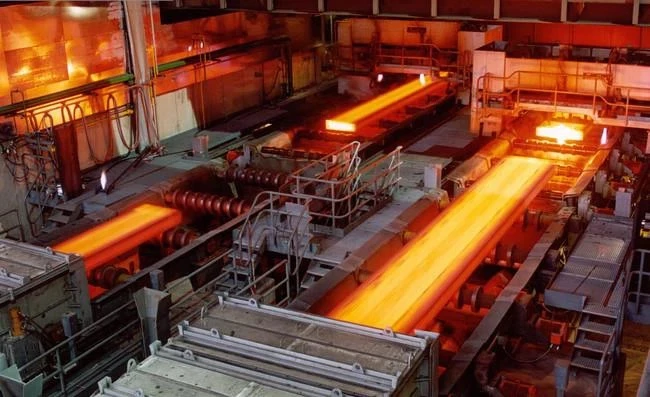
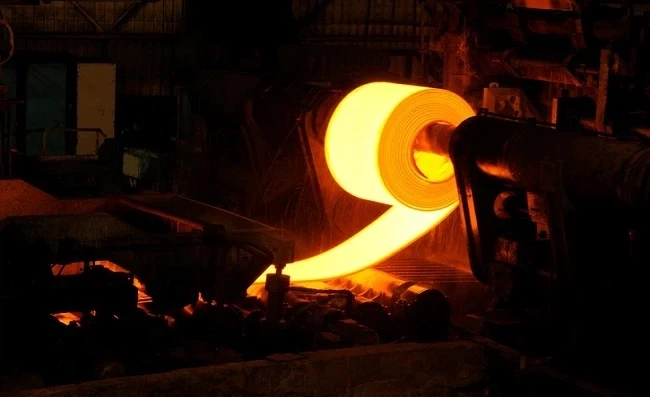
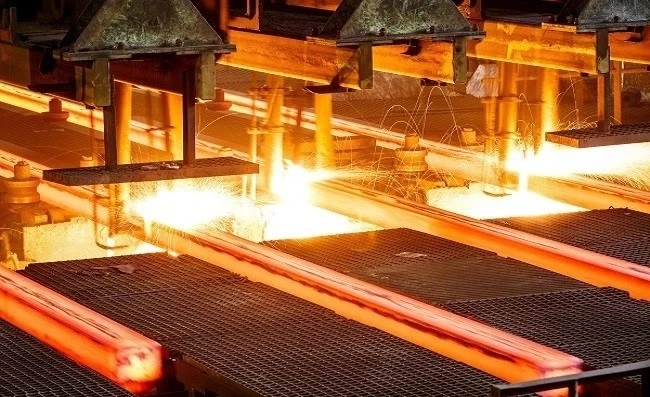
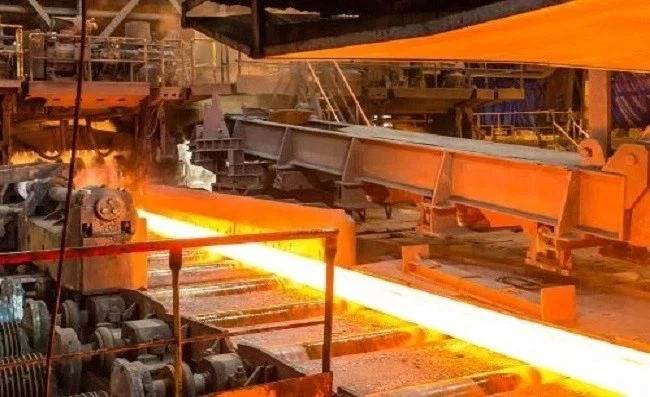
Hastelloy B-2 is specifically designed for medium-to-low temperature reducing acid corrosion environments and is recommended for use in the following areas:
Application Fields
-
Hydrochloric acid handling equipment: storage tanks, heat exchangers, towers, pumps, valves, and pipelines.
-
Acetic acid synthesis: reactors, distillation columns, reboilers.
-
Pesticide production: equipment for synthesizing chlorinated and fluorinated pesticide intermediates.
-
Phosphoric acid concentration: non-oxidizing phosphoric acid evaporators and heaters.
-
Formic acid/acetic acid facilities: corrosion-resistant components for organic acids.
-
Chlor-alkali industry: hydrogen chloride gas coolers and drying towers.
-
Fine chemical industry: reactors and agitators in reducing acid environments.
-
Pharmaceutical industry: synthesis of certain acidic drug intermediates.
-
Flue gas desulfurization (FGD): only for absorber zones under non-oxidizing conditions.
-
Metal acid pickling: hydrochloric acid pickling tanks and associated equipment.
Delivery and Customization
We offer flexible and reliable supply chain solutions to ensure you receive Hastelloy B-2 materials that perfectly match your project requirements.
|
Form |
 Sheet/Plate
|
 Bar/Rod
|
 Seamless Pipe
|
 Strip/Sheet Coil
|
 Wire/Wire Rod
|
|---|---|---|---|---|---|
|
Conventional Range |
Thickness: 0.5 - 100 mm |
Diameter Φ6-500mm |
Outer diameter Φ10-300mm |
Thickness: 0.1 – 3.0 mm |
Diameter Φ0.5-10mm |
|
Customization Capability |
Special thick/thin rolling, ultra-wide plates; special surface treatment, fixed-length cutting |
Large-sized forged bars (up to Φ800 mm), special-shaped bars, and various heat treatment conditions |
Large-diameter thick-walled pipes, special alloy composition; Pipe end processing (beveling, fixed length) |
Different hardness conditions, special heat treatments (stabilization treatment, grain size control), acid-washed surfaces, electrolytic polishing, coatings, or special protective films |
Special surface treatment, precision drawing |
Why Choose Us?-Reliable engineering technology. Dependable delivery.
We are not just a supplier, but a trusted materials partner for you in China.

Vertically Integrated Production
Own 20,000㎡ facility with 10+ automated lines (8,000+ tons/year). In-house tooling & die center enables rapid customization and effective cost control - no middleman markup.

Strict Quality Control at Every Stage
Full traceability across key QC checkpoints throughout production. 100% compliant with ASTM/ASME, EN, and GB standards. Material test reports available with every shipment

Reliable Delivery & Export Packaging
10+ years exporting to Europe, North America, Southeast Asia & Middle East with waterproof and anti-rust protection, combined with flexible shipping options ensures safe and on-time arrival.

Sample Validation Before Mass Production
We provide free samples for quality verification, allowing you to place bulk orders only after approval. We ensure consistency from sample to mass production by accurate dimensional measurement and transparent manufacturing.
FAQ
Q: What are the main advantages of Hastelloy B-2?
Q: What heat treatment is required for Hastelloy B-2?
Q: What is the maximum service temperature?
Q: What is the difference between it and Hastelloy C-276 ?
Hot Tags: hastelloy b - 2, China hastelloy b - 2 manufacturers, suppliers, factory


