



Products Features

Extremely high initial permeability and maximum permeability (core advantage)
The core advantage of Permalloy lies in its extremely high permeability. Thanks to the precise composition of approximately 79% nickel and about 4% molybdenum, along with strictly controlled crystalline texture, its initial permeability (μᵢ) can reach 20,000-50,000, and maximum permeability (μmax) can reach 200,000-500,000, which is significantly higher than that of ordinary silicon steel (μmax ≈ 50,000) and ferrites (μmax ≈ 10,000-20,000). Under very weak magnetic fields (such as the level of Earth's magnetic field), Permalloy provides an exceptionally high flux response, making it an ideal material for applications such as magnetic shielding and weak signal detection. Compared to other high-permeability grades (e.g., 1J85), 1J79 offers a wider linear range and more stable temperature characteristics.

Extremely low coercivity and hysteresis loss
Thanks to its high purity and optimized crystalline texture, Permalloy has extremely low coercivity (Hc ≤ 10 A/m), a very small hysteresis loop area, and significantly lower hysteresis losses compared to ordinary silicon steel and ferrites. In alternating magnetic fields, its core loss performance is excellent, making it suitable for applications with strict requirements for signal fidelity and efficiency such as audio transformers (20Hz-20kHz), precision current transformers, and magnetic amplifiers. Its extremely narrow hysteresis loop ensures high-fidelity transmission of weak signals with minimal distortion.

Higher resistivity for eddy current loss control
The resistivity of permalloy is approximately 0.55-0.60 μΩ·m, significantly higher than that of ordinary silicon steel (about 0.25-0.30 μΩ·m). The addition of molybdenum effectively increases the alloy's resistivity, reduces eddy current losses, and enhances its core efficiency in medium and high-frequency applications. This property makes it suitable for scenarios with strict requirements on efficiency and temperature rise, such as high-frequency transformers, radar systems, and aviation power supplies (400Hz). Compared to pure nickel-iron alloys (e.g., 1J50), 1J79 exhibits superior high-frequency performance due to molybdenum addition, allowing its operating frequency to be increased by 2-3 times.

Good machining and forming properties
Permalloy exhibits excellent hot and cold workability, allowing it to be forged, rolled, and stamped into various shapes. Its ductility surpasses that of most soft ferrite magnets, making it suitable for manufacturing complex laminated cores, magnetic shields, and precision stampings. It can be rolled into extremely thin strips (thickness up to 0.01-0.05 mm), ideal for high-frequency applications. Annealing optimizes magnetic properties by relieving processing stresses, restoring permeability, and reducing coercivity. Conventional machining operations such as turning, milling, drilling, and grinding are applicable; the use of hard metal cutting tools is recommended.
Excellent magnetic shielding performance
Permalloy's high permeability and low coercivity give it unique advantages in magnetic shielding applications. In direct current and low-frequency alternating magnetic fields, Permalloy can effectively absorb and guide magnetic flux lines, providing extremely high shielding effectiveness. Its shielding performance is far superior to that of ordinary silicon steel and ferrites, making it suitable for applications with extremely strict requirements for the magnetic environment, such as precision instruments, electron microscopes, quantum sensors, and MRI magnets.
Technical Specifications
Chemical Composition(ASTM A753 Alloy Type 4 / GB/T 15018)
|
Element |
Standard Requirements |
Notes |
|
Ni |
78.5 - 80.5% |
The key core element is the approximately 79% nickel content, which determines that the magnetic anisotropy constant approaches zero to achieve high permeability. |
|
Mo |
3.8 - 4.2% |
Increase resistivity, suppress the ordered phase transformation of Ni₃Fe, and simplify the heat treatment process |
|
Fe |
Remaining quantity (≈ 15-17%) |
Matrix elements that provide flux density and cost-effectiveness |
|
Mn |
≤ 0.60% |
Strictly control to ensure magnetic properties and purity |
|
Si |
≤ 0.30% |
Strictly control to ensure consistency in magnetic properties |
|
C |
≤ 0.02% |
Strictly control to prevent the precipitation of carbides from damaging magnetic properties |
|
P |
≤ 0.020% |
Impurity elements, strictly controlled |
|
S |
≤ 0.020% |
Impurity elements, strictly controlled |
Physical Properties
|
Property |
Value/Range |
Test Conditions |
|
Density |
8.70 g/cm³ |
Room temperature (20°C) |
|
Curie temperature |
≈ 450°C |
- |
|
Saturation magnetic flux density (Bs) |
0.75 - 1.0 T |
Room temperature |
|
Coercive Force (Hc) |
≤ 10 A/m (Annealed state) |
Room temperature, direct current |
|
Initial permeability (μᵢ) |
≈ 20,000-50,000 |
Annealed state, weak magnetic field |
|
Maximum permeability (μmax) |
≈ 200,000-500,000 |
Annealed state |
|
Resistivity |
≈ 0.55 - 0.60 μΩ·m |
Room temperature |
|
Coefficient of Thermal Expansion (20-100°C) |
≈ 10.5 × 10⁻⁶ /K |
- |
|
Elastic modulus (Young's modulus) |
≈ 200 GPa |
Room temperature |
|
Magnetism |
Ferromagnetism (below the Curie point) |
The Curie point is approximately 450°C, and it transforms into paramagnetism after exceeding this temperature. |
Mechanical Properties (Annealed Condition, Typical Values)
|
Property |
Typical Value |
Specification |
|
Tensile Strength |
≈ 550 MPa |
ASTM A753 |
|
Strength (0.2% Offset) |
≈ 340 MPa |
ASTM A753 |
|
Elongation (4D) |
≥ 35% |
ASTM A753 |
|
Hardness |
80-95 HRB |
- |
Magnetic Properties (Annealed Condition, Typical Values)
|
Performance |
Number |
Test conditions |
|
Saturation magnetic flux density (Bs) |
0.75 - 1.0 T |
Room Temperature |
|
Coercive Force (Hc) |
≤ 10 A/m |
Annealed state, direct current |
|
Initial permeability (μᵢ) |
≈ 20,000-50,000 |
Annealed state, weak magnetic field |
|
Maximum permeability (μmax) |
≈ 200,000-500,000 |
Annealed state |
High-temperature performance
The Curie temperature of Permalloy is approximately 450°C. Within the temperature range from room temperature to 100°C, its permeability changes very little with temperature, making it suitable for precision instruments and weak magnetic field detection environments. However, under continuous operating conditions above 100°C, a significant attenuation in permeability occurs, rendering it unsuitable for high-temperature magnetic applications.
Antioxidant Properties:
Permalloy exhibits good antioxidant properties in normal atmospheric environments. When exposed to humid or corrosive environments over a long period, rust prevention treatment or surface coating protection (such as nickel plating or gold plating) is recommended.
Organizational Stability:
By optimizing heat treatment (high-temperature hydrogen annealing + controlled cooling), the grain structure of Permalloy can be precisely controlled to ensure consistent magnetic properties. The heat treatment process directly affects the final magnetic performance and must be strictly controlled.
Heat treatment system
The final magnetic properties of permalloy are highly dependent on the heat treatment regime, with common specifications as follows:
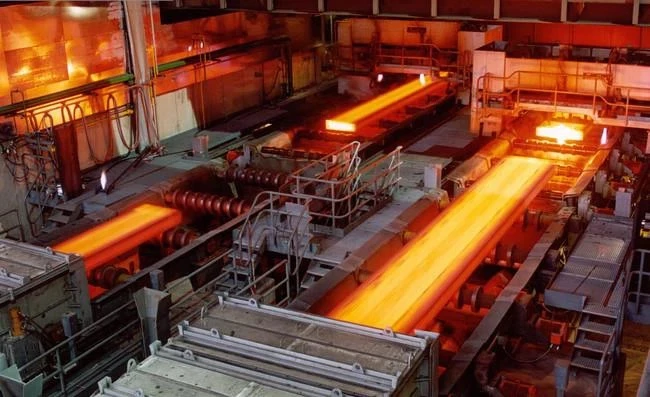
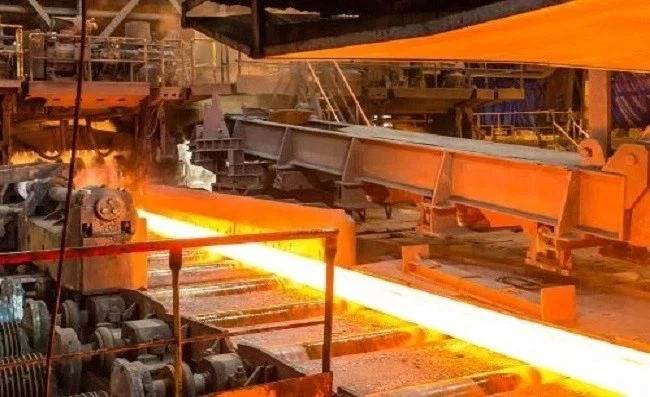
High-temperature annealing (for restoring optimal magnetic properties): Heat to 1100-1200°C in a hydrogen or vacuum atmosphere, hold for 1-2 hours (depending on cross-sectional thickness), then cool at a controlled rate (approximately 100-300°C/h) to 600°C, followed by faster cooling to room temperature.
Note: The temperature range near 600°C is critical for the order-disorder transition; it must be passed through at a rate of ≥ 100°C/h to avoid the formation of the Ni₃Fe ordered phase, which would cause a decrease in permeability. The grain size after annealing directly determines permeability and coercivity, and must be strictly controlled.
Stress-relief Annealing (After Stamping/Machining):
Heat to 750-850°C, hold for 1-2 hours, cool at a rate of 100-200°C/h to 500°C, then air cool. Used to eliminate processing stresses and restore magnetic properties.
Note:
1. Heat treatment should be performed after final mechanical machining to prevent machining stresses from degrading magnetic properties.
2. During hydrogen annealing, the dew point must be below -40°C to avoid surface oxidation.
3. The cooling rate must be sufficiently fast (≥ 100°C/h through 600°C) to ensure complete occurrence of the ordered-disordered transformation.
Comparison of Magnetic Properties and Application Selection
|
Performance indicators |
Permalloy (1J79) |
Common silicon steel (M-19) |
Ferrite |
|
Saturation magnetic flux density Bs (T) |
0.75 - 1.0 |
≈ 2.0 |
≈ 0.3-0.5 |
|
Curie temperature (°C) |
≈ 450 |
≈ 750 |
≈ 200-300 |
|
Resistivity (μΩ·m) |
≈ 0.55-0.60 |
≈ 0.25-0.30 |
≈ 10⁶-10⁷ |
|
Initial permeability μᵢ |
≈ 20,000-50,000 |
≈ 1,000 |
≈ 2,000-10,000 |
|
Maximum permeability μmax |
≈ 200,000-500,000 |
≈ 50,000 |
≈ 10,000-20,000 |
|
Coercive Force Hc (A/m) |
≤ 10 |
≤ 200 |
≤ 50 |
|
Core Advantages |
Extremely high μ, low Hc, weak signal response sensitivity |
Low cost, high Bs |
High resistivity, high frequency applicable |
|
Selection suggestions |
Primarily used for weak signal detection, precision current transformers, high-sensitivity magnetic shielding, and magnetic amplifiers |
Primarily used for conventional applications such as power frequency transformers, motors, and electrical equipment |
Primarily used for high-frequency (> 100 kHz) applications and EMI filtering |
Applicable Media
1. Atmospheric Environment: Exhibits good corrosion resistance under normal conditions, comparable to austenitic stainless steel.
2. Precision Instrument Oil, Insulating Media: Good compatibility.
3. Electrical Insulating Media: Suitable for transformer oil, insulating paint, etc.
4. Dry Gases, Inert Atmospheres: Applicable for heat treatment and protection processes.
Note:
Permalloy is a metallic soft magnetic alloy and is not suitable for corrosive liquid environments such as strong acids and strong alkalis. When exposed to humid environments over the long term, rust prevention treatment (e.g., applying rust preventive oil or plating) is recommended. It is prone to corrosion in sulfur-containing or salt spray environments, making surface protection treatments (e.g., nickel plating, gold plating) necessary.


Permalloy (1J79) is specifically designed for high permeability, weak signal detection, and high sensitivity magnetic applications, recommended for use in the following areas:
Application Fields
-
High Sensitivity Magnetic Shielding
Magnetic shielding for precision instruments, electron microscopes, quantum sensors, MRI magnets, and weak magnetic field measurement rooms. Its extremely high initial permeability enables effective shielding of external magnetic field interference even at very weak magnetic fields (geomagnetic levels). -
Pulse and Signal Transformers
Pulse transformers, broadband transformers, isolation transformers, high-fidelity audio transformers, and current transformers. Its extremely high permeability and ultra-low hysteresis loss enable high-fidelity signal transmission, with operating frequencies up to 20Hz-20kHz, and some up to 100kHz. -
Magnetic Amplifiers and Modulators
Ultra-sensitive magnetic amplifiers, magnetic modulators, DC current sensors (DCCT), and fluxgate sensor cores. Its low coercivity and low loss characteristics facilitate the amplification and detection of weak signals. -
Precision Sensors and Measurement Instruments
Precision current/voltage transformers, standard bridges, precision power meters, and fluxgate magnetometers. Its extremely high initial permeability ensures linear response at low magnetic flux densities. -
Scientific Research and Precision Instruments
Magnetic shielding for particle detectors, atomic clocks, superconducting quantum interference devices (SQUIDs), spectrometer magnetic circuits, and electromagnetic balances. -
Telecommunications and RF Engineering
High-frequency filter inductors, broadband matching transformers, carrier communication transformers, and telephone line transformers. Operating frequencies can cover the range from audio to several MHz. -
Medical Equipment
Magnetic shielding for biomagnetic measurements, magnetocardiography (MCG) shielding, and magnetoencephalography (MEG) shielding.
Delivery and Customization
We offer flexible and reliable supply chain solutions to ensure you receive Permalloy(1J79) materials that perfectly match your project requirements.
|
Form |
 Sheet/Plate
|
 Bar/Rod
|
 Pipe / Tube
|
 Strip/Sheet Coil
|
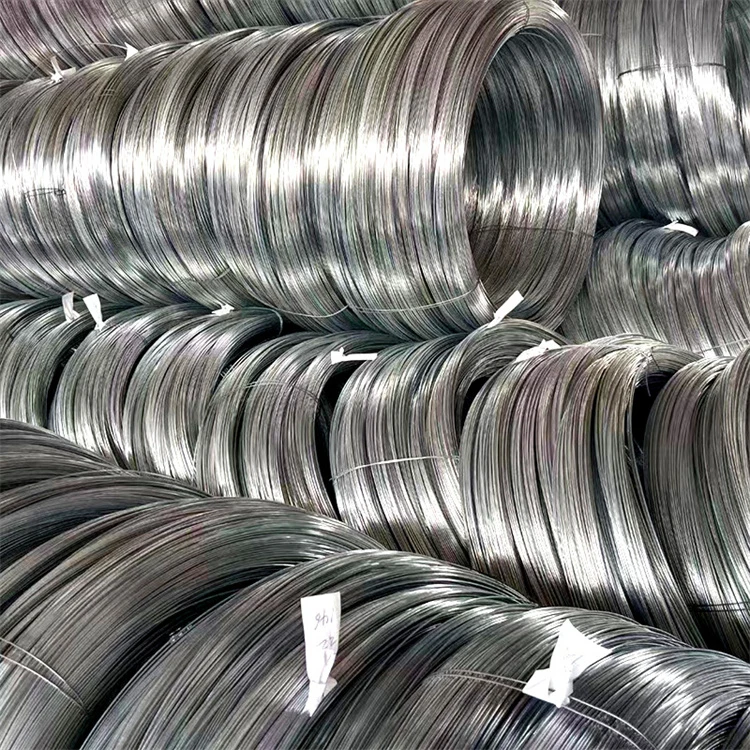
 Wire/Wire Rod
|
|---|---|---|---|---|---|
|
Conventional Range |
Thickness: 0.5 - 100 mm |
Diameter Φ6-500mm |
Outer diameter Φ10-300mm |
Thickness: 0.01 – 3.0 mm |
Diameter Φ0.05-10mm |
|
Customization Capability |
Hot-rolled or cold-rolled plates, ultra-thin plates (starting from 0.1mm), stamped parts, length-cutting to specified dimensions, special surface treatments (pickling, polishing) |
Forged bars, hot-rolled bars, polished bars, shaped bars, and different heat treatment conditions (annealing, stabilization) |
Seamless pipes, welded pipes, fixed-length cutting |
Precision strip materials (minimum thickness 0.01mm), stamping coil stock, laminated blanking, non-standard widths, special protective films |
Precision drawing, welding filler wire, special surface treatment |
Why Choose Us? - Reliable engineering technology. Dependable delivery.
We are not just a supplier, but a trusted materials partner for you in China.

Vertically Integrated Production
Own 20,000㎡ facility with 10+ automated lines (8,000+ tons/year). In-house tooling & die center enables rapid customization and effective cost control - no middleman markup.

Strict Quality Control at Every Stage
Full traceability across key QC checkpoints throughout production. 100% compliant with ASTM/ASME, EN, and GB standards. Material test reports available with every shipment.

Reliable Delivery & Export Packaging
10+ years exporting to Europe, North America, Southeast Asia & Middle East with waterproof and anti-rust protection, combined with flexible shipping options ensures safe and on-time arrival.

Sample Validation Before Mass Production
We provide free samples for quality verification, allowing you to place bulk orders only after approval. We ensure consistency from sample to mass production by accurate dimensional measurement and transparent manufacturing.
FAQ
Q: What are the core advantages of Permalloy compared to ordinary electrical silicon steel?
Q: What is the optimal heat treatment process for permalloy?
Q: Is permalloy easy to machine?
Q: What is the maximum operating temperature of permalloy?
Q: Is permalloy suitable for medium and high-frequency AC applications?
Q: What is the main difference between Permalloy and Permendur 2V?
Hot Tags: permalloy, China permalloy manufacturers, suppliers, factory


