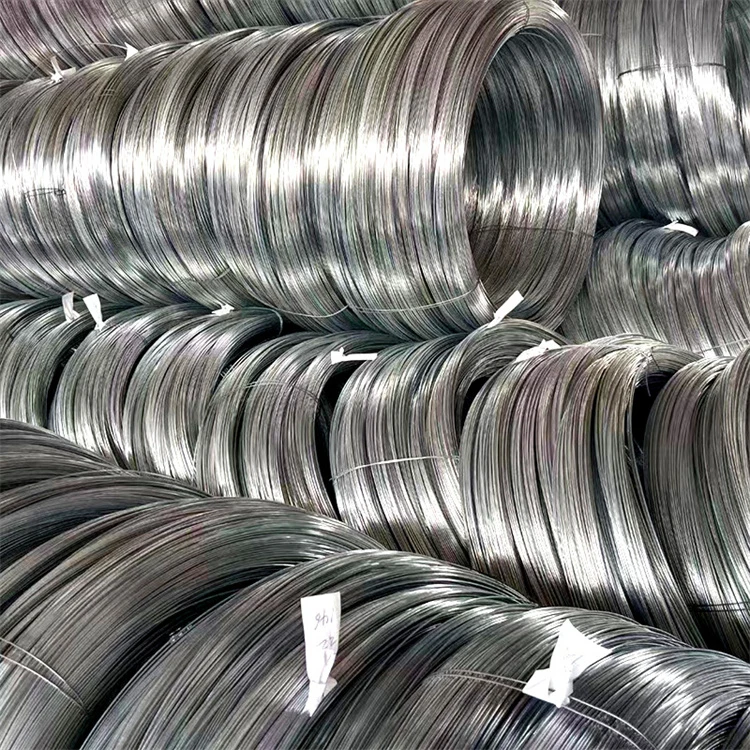
Products Features

Thermal Expansion Coefficient Matching Hard Glass and Ceramics (Core Advantage)
KOVAR's core advantage lies in its thermal expansion coefficient matching that of hard glasses (such as borosilicate glass) and ceramics. Within the temperature range of -80°C to +450°C, its average linear expansion coefficient ranges from 4.5 × 10⁻⁶ /°C to 6.5 × 10⁻⁶ /°C, which is almost identical to that of borosilicate glass (approximately 5.0 × 10⁻⁶ /°C) and alumina ceramics (approximately 6.0 × 10⁻⁶ /°C). This property makes it irreplaceable in applications requiring hermetic sealing, such as semiconductor integrated circuit packaging, electron tubes, optoelectronic devices, and sensor sealing. After being sealed with glass and ceramics, KOVAR can maintain hermeticity and mechanical strength through multiple temperature cycles (e.g., -65°C to +150°C), ensuring long-term reliable operation of electronic devices.

Good Plasticity and Machinability
KOVAR exhibits excellent plasticity and workability in the annealed condition, with an elongation of up to 20% to 30%. It can undergo various cold forming processes such as cold rolling, cold drawing, stamping, and bending. Additionally, it can be shaped into various forms like sheets, strips, wires, and rods using conventional machining methods such as turning, milling, and drilling. Its tendency to work harden is moderate, allowing it to be formed using standard metalworking equipment and processes.

Excellent Welding and Sealing Performance
KOVAR exhibits good welding properties and glass/ceramic sealing performance. It can be joined using methods such as TIG welding, resistance welding, electron beam welding, laser welding, and brazing. After pre-oxidation treatment (approximately 900-1000°C) in an oxidizing atmosphere, a dense oxide layer (primarily CoO·Fe₂O₃ and NiO·Fe₂O₃) forms on the surface. This oxide layer chemically bonds with molten glass to create a high-strength, hermetically sealed interface. The leakage rate after sealing can reach < 1 × 10⁻⁹ Pa·m³/s (helium mass spectrometry leak detection), meeting the requirements for high-reliability electronic packaging. It can also be directly brazed with ceramics using active metal brazing or directly bonded.

Good Dimensional Stability and Microstructural Stability
KOVAR achieves stable austenitic microstructure and excellent dimensional stability through optimized heat treatment processes (annealing + stabilization). During long-term service, its dimensional changes are minimal, making it suitable for precision electronic components and metrological standards that require strict long-term reliability and accuracy retention. Stabilization treatment effectively eliminates residual stresses, reducing dimensional drift during subsequent use.
Excellent Corrosion Resistance
Kovar exhibits better corrosion resistance than ordinary carbon steel and approaches the level of austenitic stainless steel, showing good corrosion resistance in media such as atmospheric environments, dry gases, and precision instrument oils. In electronic packaging applications, its surface can be treated with nickel plating, gold plating, silver plating, etc., to enhance solderability and corrosion resistance. Surface protection treatments are recommended for use in humid or corrosive environments.
Technical Specifications
Chemical Composition(ASTM F15 / GB/T 15018)
|
Element |
Standard Requirements |
Notes |
|
Ni |
28.5 - 29.5% |
The key element is the approximately 29% nickel content, which determines the slope of the expansion curve to achieve a matched expansion with hard glass. |
|
Co |
16.8 - 17.8% |
The key element for achieving a matched expansion with hard glass is approximately 17% cobalt content, which also enhances the Curie temperature and upper limit of working temperature. |
|
Fe |
Remaining quantity (About 53%) |
Matrix elements that form a face-centered cubic (FCC) austenitic structure with nickel and cobalt |
|
Mn |
≤ 0.50% |
Strict control; excessive levels will slightly increase the expansion coefficient |
|
Si |
≤ 0.30% |
Strict control |
|
C |
≤ 0.05% |
Strictly control to prevent the formation of carbides that could impair hermetic sealing performance |
|
P |
≤ 0.020% |
Impurity elements, when excessive, will impair the seal strength. |
|
S |
≤ 0.020% |
Impurity elements, strictly controlled |
|
Cr |
≤ 0.20% |
Trace elements, which usually exist as impurities |
|
Mo |
≤ 0.20% |
Trace elements, which usually exist as impurities |
|
Cu |
≤ 0.20% |
Trace elements, which usually exist as impurities |
Physical Properties
|
Property |
Value/Range |
Test Conditions |
|
Density |
8.36 g/cm³ |
Room Temperature (20°C) |
|
Melting Point |
1450°C |
- |
|
Curie temperature |
415°C (779°F) |
After this temperature, the coefficient of expansion changes significantly |
|
Thermal Conductivity (20°C) |
17 - 18 W/(m·K) |
- |
|
Resistivity |
0.48 μΩ·m |
Room Temperature |
|
Elastic modulus (Young's modulus) |
140 - 150 GPa |
Room Temperature |
Mechanical Properties (Annealed Condition, Typical Values)
|
Property |
Typical Value |
Specification |
|
Tensile Strength |
480 - 550 MPa |
ASTM F15 / GB/T 15018 |
|
Yield Strength (0.2% Offset) |
280 - 350 MPa |
ASTM F15 |
|
longation |
≥ 25% (Typical 25-35%) |
ASTM F15 |
|
Hardness (Brinell) |
150 - 180 HV / ≤ 75 HRB |
- |
Note:After cold deformation, the strength of KOVAR can be significantly increased, but its ductility correspondingly decreases. Cold-worked materials are suitable for applications with higher strength requirements.
Physical Properties
|
Property |
Value/Range |
Test Conditions |
|
Density |
8.36 g/cm³ |
Room Temperature (20°C) |
|
Melting Point |
1450°C |
- |
|
Curie temperature |
415°C (779°F) |
After this temperature, the coefficient of expansion changes significantly |
|
Thermal Conductivity (20°C) |
17 - 18 W/(m·K) |
- |
|
Resistivity |
0.48 μΩ·m |
Room Temperature |
|
Elastic modulus (Young's modulus) |
140 - 150 GPa |
Room Temperature |
Thermal Expansion Performance (Core Performance Indicator)
|
Temperature Range |
Average Linear Expansion Coefficient (×10⁻⁶ /°C) |
Note |
|
30 - 200°C |
4.5 - 5.5 |
The core range matching borosilicate glass |
|
30 - 300°C |
4.6 - 5.8 |
- |
|
30 - 400°C |
4.8 - 6.2 |
- |
|
30 - 450°C |
5.1 - 6.5 |
Upper temperature range limit |
|
30 - 500°C |
6.5 - 7.5 |
As it approaches the Curie point, the coefficient of expansion increases |
|
30 - 600°C |
9.0 - 10.0 |
The coefficient of expansion increases after exceeding the Curie point |
Note: The thermal expansion properties of KOVAR depend on its ferromagnetism. After the temperature exceeds the Curie point (approximately 415°C), the expansion coefficient rises significantly to about 9 × 10⁻⁶ /°C to 10 × 10⁻⁶ /°C. Therefore, the optimal sealing temperature range for KOVAR is 300°C to 450°C, and devices sealed in this manner can operate stably over the long term within the range of -80°C to +450°C.
Applicable Media
1. Atmospheric Environment: Corrosion resistance is better than ordinary carbon steel and approaches the level of austenitic stainless steel.
2. Dry Gases: Such as nitrogen and inert gases.
3. Vacuum Environment: Suitable for electron tubes and vacuum-packaged devices.
4. Precision Instrument Oil, Insulating Media: Good compatibility.
5. Electroplating Solutions: Surface treatments such as nickel plating, gold plating, and silver plating can be performed.
Note: KOVAR is prone to corrosion in sulfur-containing or salt spray environments. When exposed to humid or corrosive environments for extended periods, surface protection treatments such as gold plating, nickel plating, or painting are recommended. In hermetic sealing applications, pre-oxidation treatment (900-1000°C in a wet hydrogen atmosphere) is a critical process used to form the oxide film required for glass sealing.
High-temperature performance
The thermal expansion behavior of KOVAR is its most core performance indicator. The following are typical reference values for how the thermal expansion coefficient changes with temperature:
|
Temperature Range |
Average Linear Expansion Coefficient (×10⁻⁶ /°C) |
Note |
|
30 - 200°C |
4.5 - 5.5 |
The core range matching borosilicate glass |
|
30 - 300°C |
4.6 - 5.8 |
- |
|
30 - 400°C |
4.8 - 6.2 |
- |
|
30 - 450°C |
5.1 - 6.5 |
Upper temperature range limit |
|
30 - 500°C |
6.5 - 7.5 |
The coefficient of expansion rises significantly above 450°C |
Long-term thermal stability and dimensional stability:
KOVAR exhibits good microstructural stability and minimal dimensional changes when in service at temperatures ≤ 400°C. In electronic packaging applications, after hermetic sealing with hard glass, KOVAR maintains its airtightness and structural integrity even under temperature cycling from -80°C to +400°C. It is recommended to perform stabilization treatment on high-precision parts to eliminate residual stresses, stabilize the microstructure, and reduce dimensional drift during subsequent use.
Antioxidant and Pre-oxidation Treatment:
In glass-to-metal sealing applications, KOVAR requires pre-oxidation treatment at 900-1000°C (typically in a wet hydrogen atmosphere) to form a dense, uniform oxide layer on its surface. This oxide layer, primarily composed of the spinel structure (Co,Ni)Fe₂O₄, serves as the critical interface for achieving hermetic seals. The thickness of this oxide layer must be precisely controlled between 2-5 μm; both excessive and insufficient thickness can negatively impact seal strength and leak rate.
Heat treatment system
The heat treatment of KOVAR has a decisive impact on the final microstructural stability, dimensional accuracy, and hermetic sealing performance, with common specifications as follows:
Annealing (to eliminate processing stress and stabilize microstructure):
Heat to 800-900°C, hold for 0.5 to 1 hour, then cool in the furnace or in air at a cooling rate ≤ 300°C per hour to obtain a stable austenitic microstructure and uniform expansion characteristics.
Stabilization Treatment (Recommended for High-Precision Parts):
Hold at 300-400°C for 1 to 4 hours, then cool slowly to room temperature to eliminate residual stress, stabilize the austenitic microstructure, and reduce dimensional drift during subsequent use.
Pre-Oxidation Treatment (for Glass Sealing):
Hold at 900-1000°C for 15 to 30 minutes in a wet hydrogen atmosphere or nitrogen atmosphere with an appropriate amount of oxygen to form a dense oxide film with a thickness of 2-5 μm, ensuring good sealing with glass.
Stress Relief Treatment (After Mechanical Machining):
Hold at 200-300°C for 1 to 2 hours, then air-cool to prevent deformation caused by cutting stress.
Note: KOVAR is prone to grain growth at high temperatures, so the annealing temperature and time must be strictly controlled. Pre-oxidation treatment is a critical process in glass sealing, as the thickness and uniformity of the oxide film directly affect the sealing strength and airtightness.
Workability
KOVAR has good machinability and is suitable for various forming processes:
|
Processing Method |
Recommended Parameters/Methods |
Notes |
|
Cold Working |
Cold rolling, cold drawing, stamping, bending |
The annealed state offers the best formability. Pay attention to springback. |
|
Mechanical machining |
Turning, milling, drilling |
Select sharp cutting tools and appropriate cutting parameters, and pay attention to work hardening. |
|
Welding |
TIG welding, resistance welding, electron beam welding, laser welding, brazing |
Stress-relief annealing is recommended after welding |
|
Hot working |
Forging, hot rolling |
The temperature range is narrow (900-1200°C), and it is strictly controlled. |
|
Pre-oxidation |
900-1000°C,Wet Hydrogen Atmosphere |
Forming a 2-5μm oxide film is a critical step in the sealing process. |
|
Electroplating |
Nickel plating, gold plating, silver plating |
Performing this before sealing can improve weldability and corrosion resistance |
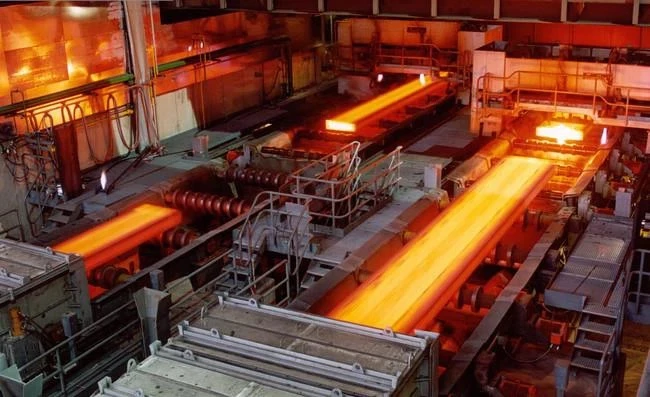
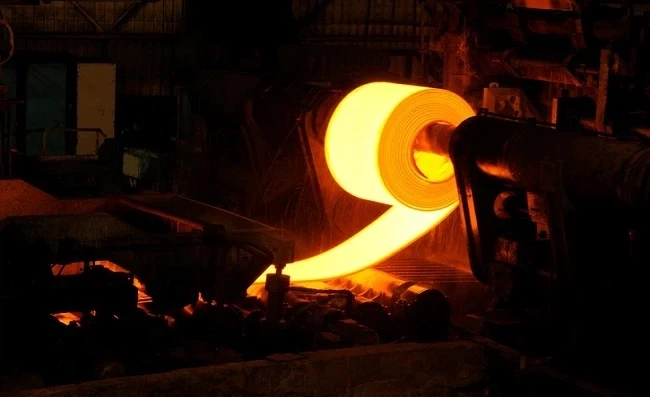
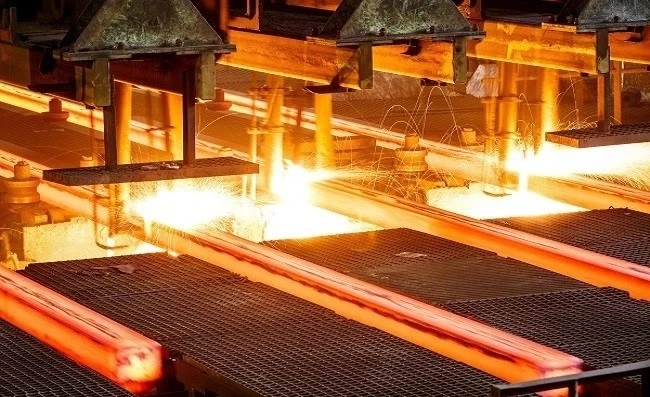
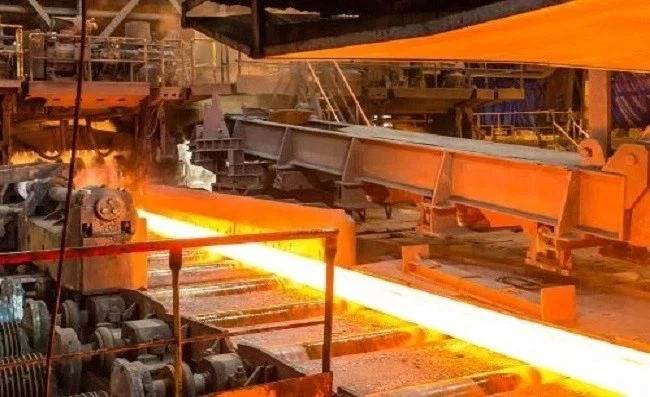
KOVAR (4J29 / UNS K94610) is specifically designed for electronic packaging applications that require matching glass-to-metal and ceramic-to-metal hermetic seals, and is recommended for use in the following fields:
Application Fields
-
Semiconductor and Integrated Circuit Packaging (Core Applications)
Lead frames for integrated circuits (ICs), transistor packaging housings, sensor packaging, DIP/SIP package leads, BGA package substrates, optocoupler packaging leads. The thermal expansion matching properties of KOVAR with hard glass and ceramics ensure the hermeticity and long-term reliability of the packaged components. -
Electron Tubes and Microwave Devices
Anode and electrode leads for microwave electron tubes (magnetrons, klystrons, traveling-wave tubes), cathode sleeves, vacuum tube pins and glass envelope sealing, X-ray tube packaging. -
Optical Communication and Optoelectronic Devices
Laser diode (LD) packaging, photodetector (PD) packaging, sealed structural components for optical transceiver modules, fiber optic coupling device packaging bases, LED packaging supports. The hermetic sealing of KOVAR with glass and ceramics ensures the long-term stability and reliability of optoelectronic devices. -
Sensors and MEMS Packaging
Pressure sensor packaging, accelerometer packaging, gyroscope packaging, sealed housings for MEMS devices, temperature sensor protective tubes. Utilizing the matched expansion properties of KOVAR with glass/ceramics ensures measurement accuracy of sensors across different temperatures. -
Aerospace and Defense Electronics
High-reliability hermetic connectors, avionics module packaging, electronic packaging for missile guidance systems, satellite electronic components, microwave components for radar systems. Maintains hermeticity and mechanical strength within extreme temperature ranges (-55°C to +150°C). -
Medical Electronics
Packaging housings for implantable medical devices, sealed components for sensor probes, connector pins for medical electronic equipment, leveraging its biocompatibility and hermetic sealing performance. -
Research and Precision Instruments
Vacuum seals for electron microscopes, lead wires for mass spectrometer vacuum chambers, packaging for particle detectors, insulator-metal seals for high-voltage connectors. -
Automotive Electronics
Sensor packaging for engine control units (ECUs), sealed terminals for tire pressure monitoring systems (TPMS), ABS sensor packaging, packaging for high-temperature electronic modules.
Delivery and Customization
We offer flexible and reliable supply chain solutions to ensure you receive KOVAR(4J29)materials that perfectly match your project requirements.
|
Form |
 Sheet/Plate
|
 Bar/Rod
|
 Pipe / Tube
|
 Strip/Sheet Coil
|
 Wire/Wire Rod
|
|---|---|---|---|---|---|
|
Conventional Range |
Thickness: 0.5 - 100 mm |
Diameter Φ6-500mm |
Outer diameter Φ10-300mm |
Thickness: 0.05 – 3.0 mm |
Diameter Φ0.1-10mm |
|
Customization Capability |
Hot-rolled or cold-rolled plates, ultra-thin plates (starting from 0.1mm), stamped parts, length-cutting to specified dimensions, special surface treatments (pickling, polishing) |
Forged bars, hot-rolled bars, polished bars, shaped bars, and different heat treatment conditions (annealing, stabilization) |
Seamless tubes/welded tubes, fixed-length cutting, dedicated to electron tube anodes |
Precision strip materials, stamping coil stock, laminated blanking, non-standard width, special protective film |
Precision drawing, medical guidewires, welding filler wires, spring wires, special surface treatment |
Why Choose Us? - Reliable Engineering Technology. Dependable Delivery.
We are not just a supplier, but a trusted materials partner for you in China.

Vertically Integrated Production
Own 20,000㎡ facility with 10+ automated lines (8,000+ tons/year). In-house tooling & die center enables rapid customization and effective cost control - no middleman markup.

Strict Quality Control at Every Stage
Full traceability across key QC checkpoints throughout production. 100% compliant with ASTM/ASME, EN, and GB standards. Material test reports available with every shipment.

Reliable Delivery & Export Packaging
10+ years exporting to Europe, North America, Southeast Asia & Middle East with waterproof and anti-rust protection, combined with flexible shipping options ensures safe and on-time arrival.

Sample Validation Before Mass Production
We provide free samples for quality verification, allowing you to place bulk orders only after approval. We ensure consistency from sample to mass production by accurate dimensional measurement and transparent manufacturing.
FAQ
Q: What are the main advantages of KOVAR?
Q: What is the difference between KOVAR (4J29) and ordinary stainless steel (such as 304)?
Q: How does KOVAR work? Why is its coefficient of thermal expansion matched with glass?
Q: What kind of heat treatment does KOVAR require?
Q: What are the highest and lowest usage temperatures for KOVAR?
Q: How is the hermetic sealing performance of KOVAR?
Q: Can KOVAR be used as a substitute for other hermetic alloys?
Hot Tags: kovar, China kovar manufacturers, suppliers, factory