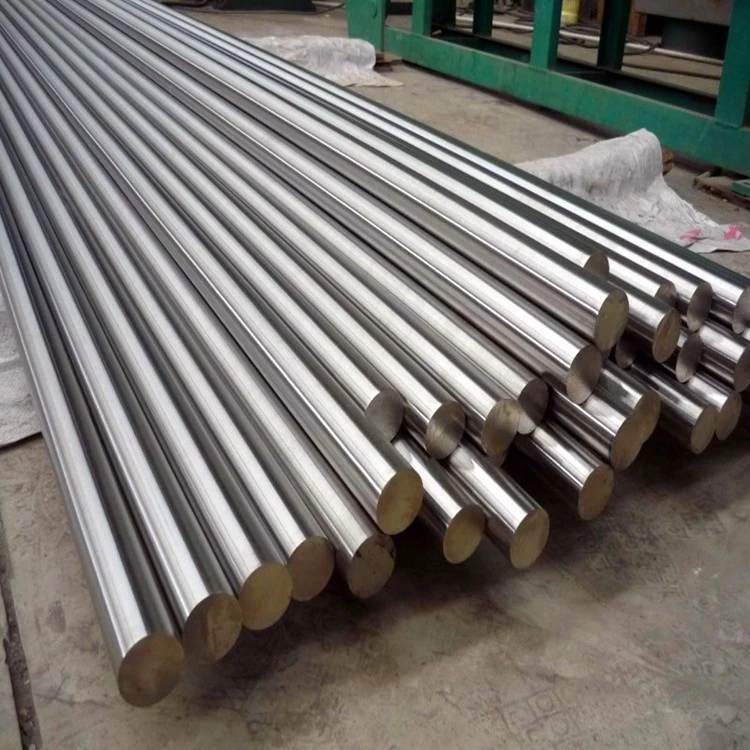
Products Features

Ultra-High Strength and Excellent Comprehensive Mechanical Properties
The core advantage of MP159® lies in its unique multiphase synergistic strengthening mechanism. Cold deformation first induces the formation of cross-networked ε-phase plates within the face-centered cubic matrix, which hinder dislocation long-range motion to provide strengthening. Subsequent aging treatment precipitates dispersed Ni₃X (γ' phase) to further supplement strengthening. In the fully heat-treated (cold-drawn + aged) condition, its room temperature tensile strength reaches 1790–2070 MPa, and yield strength reaches 1600–1900 MPa. Despite such high strength, it maintains an elongation of 8–15% and reduction of area of 40–60%, offering a comprehensive performance of ultra-high strength, good ductility, toughness, and high stress corrosion resistance.

Excellent High-Temperature Strength Retention
MP159® retains extremely high strength levels between 540°C and 650°C with excellent creep resistance. At 500°C, its tensile strength remains above 1400 MPa, and at 650°C, it does not fall below 1000 MPa. The alloy exhibits a 1000-hour rupture strength of over 500 MPa at 650°C, far surpassing ordinary stainless steels and traditional nickel-based alloys. It is suitable for fastener connections in high-temperature areas of aircraft engine compressor disks and turbine disks.

Superior Corrosion Resistance
MP159® has corrosion resistance comparable to MP35N®, making it applicable to inorganic acids, hydrogen sulfide, seawater, and salt spray environments. It demonstrates excellent resistance to stress corrosion cracking (SCC) in chloride media and is resistant to various acids, alkalis, and marine atmospheric corrosion. In typical tests, no crevice corrosion or pitting was observed, and no damage occurred in salt spray tests. Alternating immersion tests confirm its good resistance to hydrogen embrittlement and stress corrosion cracking. Below 650°C, its oxidation weight gain rate in air is less than 0.1 mg/cm²·h.

Good Cold Working Formability and Special Heat Treatment Process
MP159® has low hardness and good plasticity in the solution-annealed state, with an elongation of over 20%, making it suitable for producing precision fasteners via cold heading, cold rolling, and cold extrusion processes. Ultra-high strength is achieved after cold working through aging treatment. The strengthening path of this alloy follows a special process route of \"solution annealing + cold drawing + aging\", differing from traditional high-temperature alloys that can be strengthened solely by heat treatment. Important Note: All mechanical machining (turning, milling, drilling, tapping, etc.) must be completed in the solution-annealed state, followed by aging treatment to achieve final properties.
Technical Specifications
Chemical Composition
|
Element |
Standard Requirements |
Notes |
|
Co |
35.7% |
Primary matrix elements that provide high-temperature strength, thermal stability, and excellent thermal corrosion resistance |
|
Ni |
25.5% |
Matrix elements that stabilize the austenitic phase, enhance corrosion resistance and low-temperature toughness |
|
Cr |
19.0% |
Provide excellent corrosion and oxidation resistance |
|
Fe |
9.0% |
Alloying elements, balancing cost and performance |
|
Mo |
7.0% |
Significantly improve high-temperature strength and solid-solution strengthening effects, and enhance the ability to resist corrosion by reducing media |
|
Ti |
3.0% |
Form the main strengthening phase γ' [Ni₃(Ti, Al, Nb)] with nickel to achieve precipitation hardening |
|
Nb |
0.6% |
Aid in forming precipitated strengthening phases |
|
Al |
0.2% |
Aid in forming the γ' phase |
|
C |
≤ 0.04% |
Strict control to ensure purity |
|
Si |
≤ 0.20% |
Impurity elements, strictly controlled |
|
Mn |
≤ 0.20% |
Impurity elements, strictly controlled |
|
P |
≤ 0.020% |
Impurity elements |
|
S |
≤ 0.010% |
Prevent hot brittleness |
|
B |
≤ 0.03% |
Minor additions for grain boundary strengthening |
Physical Properties
|
Property |
Value/Range |
Test Conditions |
|
Density |
8.33 g/cm³ |
Room temperature (20°C) |
|
Melting Point |
1427°C |
- |
|
Coefficient of Thermal Expansion (20-100°C) |
14.3 × 10⁻⁶ /K |
- |
|
Elastic modulus (Young's modulus) |
220 GPa |
Room temperature |
|
Magnetism |
Non-magnetic |
Even under extreme cold working and low-temperature conditions, the face-centered cubic structure retains paramagnetism with extremely low permeability (typically less than 1.001). |
Mechanical Properties (Different states, typical values)
|
Performance |
Annealed state (1052°C) |
Cold-drawn + Age-hardened Condition |
Implementation standards |
|
Tensile Strength |
≥ 848 MPa |
≥ 1790 MPa |
AMS 5841 / AMS 5843 |
|
Yield Strength (0.2% Offset) |
≥ 400 MPa |
≥ 1600 MPa |
AMS 5841 / AMS 5843 |
|
Elongation |
≥ 60% |
8 - 15% |
AMS 5841 / AMS 5843 |
|
Hardness |
≤ 20 HRC |
45 - 55 HRC |
AMS 5841 / AMS 5843 |
Note: The strengthening of MP159® relies on the synergistic effect of cold deformation and aging. Its annealed state has relatively low strength and must undergo cold drawing and aging treatment to achieve ultra-high strength.
High-temperature performance
MP159® exhibits exceptional ability to maintain strength at high temperatures, with the following typical reference values:
|
Temperature |
Tensile Strength (Typical Value) |
Sustained Strength (1000 hours, typical value) |
|
Room Temperature |
≥ 1790 MPa |
--- |
|
500°C |
≥ 1400 MPa |
--- |
|
600°C |
≥ 1000 MPa |
--- |
|
650°C |
≥ 1000 MPa |
≥ 500 MPa |
Antioxidant Performance: MP159® exhibits good antioxidant properties below 650°C, with an oxidation weight gain rate of less than 0.1 mg/cm²·h. It also demonstrates excellent corrosion resistance in aviation fuel, hydraulic oil, and atmospheric environments.
Microstructural Stability: MP159® maintains microstructural stability and prevents performance degradation over a wide temperature range (up to approximately 650°C). Aging temperature must be strictly controlled between 650-675°C. Exceeding 680°C will cause the ε phase to revert to the γ phase, resulting in a sudden drop in strength.
Suitable Media:
1. Inorganic acids (non-oxidizing conditions)
2. Hydrogen sulfide (H₂S) environments
3. Seawater, salt spray
4. Marine atmospheric environments
5. Aviation Fuel and Hydraulic Oil Environment
Note: MP159® is susceptible to hydrogen embrittlement in acidic environments. Dehydrogenation treatment (190-220°C, holding time ≥23 hours) is required prior to electroplating.
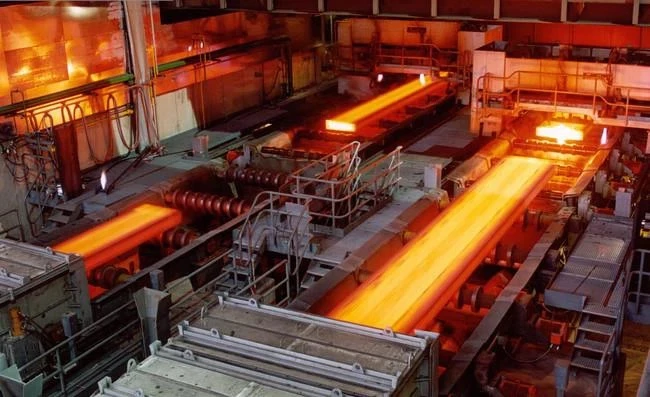
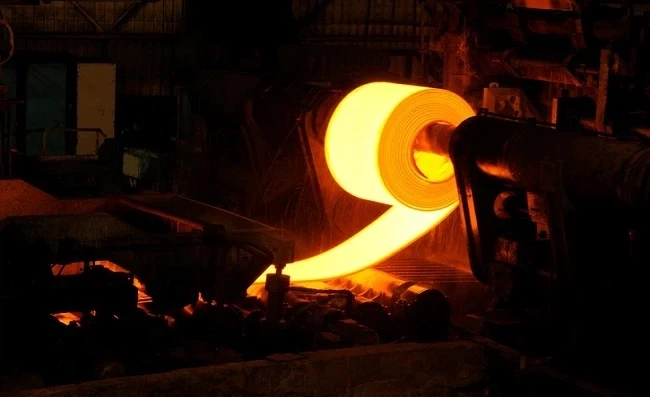
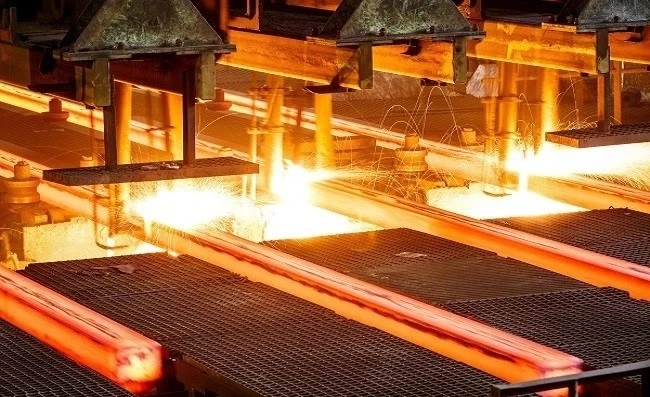
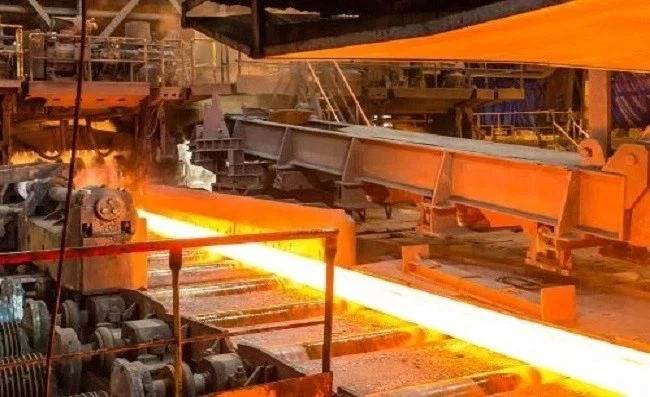
MP159® is specifically designed for high-strength, high-temperature, and corrosion-resistant environments, and is recommended for use in the following fields:
Application Fields
-
Aerospace: High-temperature fasteners for aircraft engines (bolts, screws), compressor disk connectors, turbine disk connectors, fan disk fasteners, self-locking nuts, high-temperature springs, turbine components, and shaft parts.
-
Gas Turbines: Gas turbine fasteners, high-temperature valve components, and hot-end parts.
-
Energy and Chemicals: Reactor fasteners, pump shafts, and high-temperature valve components.
-
Marine Engineering: High-strength corrosion-resistant connectors for seawater and deep-sea oil and gas production equipment.
-
Oil and Gas: H₂S-resistant downhole tools and oil and gas production equipment.
-
Nuclear Industry: Special restraint wires and fasteners within reactors.
-
Medical Devices: High-end medical equipment such as prosthetic devices.
Delivery and Customization
We offer flexible and reliable supply chain solutions to ensure you receive MP159® materials that perfectly match your project requirements.
|
Form |
 Cold-drawn bar
|
 Sheet/Plate
|
 Bar/Rod
|
 Pipe / Tube
|
 Strip/Coil
|
 Wire/Wire Rod
|
|---|---|---|---|---|---|---|
|
Conventional Range |
Diameter Φ5-25mm |
Thickness: 0.5 - 100 mm |
Diameter Φ10-500mm |
Outer diameter Φ10-300mm |
Thickness: 0.1 – 3.0 mm |
Diameter Φ0.5-10mm |
|
Customization Capability |
Core form. Suitable for precision parts such as aviation engine fasteners, bolts, and screws |
Special thick/thin rolling, ultra-wide plates; special surface treatment, fixed-length cutting |
Large-sized forged bars, special-shaped bars; different heat treatment conditions of various grades |
Large-diameter thick-walled pipes, special alloy composition; pipe end machining |
Different hardness conditions, special heat treatment, acid-washed surface |
Special surface treatment, precision drawing |
Why Choose Us? - Reliable Engineering Technology. Dependable Delivery.
We are not just a supplier, but a trusted materials partner for you in China.

Vertically Integrated Production
Own 20,000㎡ facility with 10+ automated lines (8,000+ tons/year). In-house tooling & die center enables rapid customization and effective cost control - no middleman markup.

Strict Quality Control at Every Stage
Full traceability across key QC checkpoints throughout production. 100% compliant with ASTM/ASME, EN, and GB standards. Material test reports available with every shipment.

Reliable Delivery & Export Packaging
10+ years exporting to Europe, North America, Southeast Asia & Middle East with waterproof and anti-rust protection, combined with flexible shipping options ensures safe and on-time arrival.

Sample Validation Before Mass Production
We provide free samples for quality verification, allowing you to place bulk orders only after approval. We ensure consistency from sample to mass production by accurate dimensional measurement and transparent manufacturing.
FAQ
Q: What are the main advantages of MP159®?
Q: What heat treatment is required for MP159®?
Q: What is the maximum service temperature?
Q: What is the difference between MP159® and MP35N®?
Hot Tags: mp159®, China mp159® manufacturers, suppliers, factory