


Products Features

Exceptional resistance to pitting and crevice corrosion (core advantage)
One of the core advantages of S32760 is its extremely high resistance to pitting and crevice corrosion. The synergistic effects of high chromium (24-26%), high molybdenum (3.0-4.0%), high nitrogen (0.24-0.32%), tungsten (0.5-1.0%), and copper (0.5-1.0%) result in a PREN value ≥ 40, significantly higher than that of 316L (≈ 25) and 2205 (≈ 34-36). In harsh environments such as seawater, chloride solutions, and acidic chloride media, S32760 can form an exceptionally stable passive film, resisting the initiation and propagation of pitting and crevice corrosion. Its critical pitting temperature (CPT) reaches 45-50°C, far exceeding those of 316L and 2205, allowing it to operate reliably for long periods without pitting perforation in tropical seawater and high-temperature concentrated chloride solutions.

Excellent corrosion resistance to strong reducing acids
The unique advantage of S32760 lies in its addition of copper (Cu) and tungsten (W), which significantly enhances its corrosion resistance in strongly reducing acidic media such as sulfuric acid (H₂SO₄) and hydrochloric acid (HCl) compared to S32750 and 2205. The addition of copper effectively improves the alloy's corrosion resistance in non-oxidizing acids, while tungsten further strengthens the stability of the passive film. This property makes it an ideal material selection for applications involving reducing acids, such as chemical processing, hydrometallurgy, and acid pickling equipment. In sulfuric acid at room temperature to moderate temperatures (concentration ≤40%), the corrosion resistance of S32760 is comparable to or even reaches the level of some nickel-based alloys.

Excellent resistance to chloride stress corrosion cracking
The duplex structure of S32760 provides it with inherent immunity to chloride-induced stress corrosion cracking (SCC). Conventional austenitic stainless steels are highly susceptible to intergranular SCC in chloride-containing aqueous solutions above 60°C, whereas S32760 exhibits significantly superior SCC resistance to austenitic stainless steels even in high-temperature chloride water above 100°C. The addition of tungsten further enhances its stress corrosion cracking resistance in environments containing chlorides and hydrogen sulfide. This alloy also complies with the NACE MR0175/ISO 15156 standard, making it suitable for acidic oil and gas environments containing hydrogen sulfide.

High strength matched with good ductility
The yield strength of S32760 (≥ 550 MPa) is approximately 2.5 times that of 316L, with a tensile strength of ≥ 750 MPa (some standards require ≥ 800 MPa) and an elongation of ≥ 15%. Its strength level is comparable to or even exceeds that of some low-alloy steels, while its ductility is far superior to that of ferritic stainless steels. Under equivalent design strength, S32760 can achieve significant wall thickness reduction and structural lightweighting, thereby substantially lowering material and manufacturing costs.
Good welding performance
S32760 exhibits good welding properties and can be connected using various welding methods such as TIG, MIG, SMAW, and SAW. During welding, strict control of heat input (recommended 0.5-2.5 kJ/mm) and interpass temperature (typically ≤ 100-150°C) is required to prevent the precipitation of harmful intermetallic phases (e.g., sigma phase). Post-weld heat treatment is generally not necessary, but pickling or passivation is recommended to restore corrosion resistance. Matching filler metals such as ER32760 or ERNiCrMo-10 are recommended to ensure that the weld metal's corrosion resistance is not lower than that of the base material.
Good hot working and cold working properties
S32760 exhibits excellent hot working properties and can be formed through hot forging, hot rolling, hot extrusion, and other hot working processes within a temperature range of 950-1250°C. The optimal hot working temperature interval is 1000-1150°C. After hot working, solution treatment (approximately 1050-1125°C) is required to achieve the best duplex microstructure and mechanical properties. The cold working performance of this alloy is superior to that of ferritic stainless steels, allowing for cold bending, cold rolling, stamping, and other forming operations. However, its tendency to work harden is higher than that of austenitic stainless steels. It is recommended to perform intermediate annealing when the cold deformation exceeds 5-10%.
Technical Specifications
Chemical Composition (ASTM A240 / UNS S32760) Remaining Quantity
|
Element |
Standard Requirements |
Notes |
|
Cr |
24.0 - 26.0% |
Core elements that form a dense passivation film to provide corrosion resistance; ferrite-forming elements |
|
Ni |
6.0 - 8.0% |
Austenite stabilizing elements promote the formation of a duplex microstructure and enhance toughness. |
|
Mo |
3.0 - 4.0% |
Improves resistance to pitting and crevice corrosion, with an effect approximately three times that of chromium |
|
N |
0.24 - 0.32% |
Strong austenite-forming elements, solid solution strengthening, significantly improve pitting corrosion resistance and yield strength |
|
Cu |
0.5 - 1.0% |
Improve corrosion resistance in reducing acids (such as sulfuric acid, hydrochloric acid) |
|
W |
0.5 - 1.0% |
Enhance resistance to pitting corrosion and crevice corrosion, and improve the stability of the passive film |
|
Mn |
≤ 1.0% |
Deoxidizer, added in small amounts |
|
Si |
≤ 1.0% |
Deoxidizer, strictly controlled |
|
C |
≤ 0.030% |
Strictly control to prevent the precipitation of carbides from impairing corrosion resistance |
|
P |
≤ 0.030% |
Impurity elements, strictly controlled |
|
S |
≤ 0.010% |
Impurity elements, strictly controlled to prevent hot brittleness |
|
Fe |
Margin(≈ 60%) |
Matrix element |
Physical Properties
|
Property |
Value/Range |
Test Conditions |
|
Density |
7.80 g/cm³ |
Room Temperature (20°C) |
|
Melting Point |
1300 - 1400°C |
- |
|
Thermal Conductivity |
≈ 16 W/(m·K) |
Room Temperature |
|
Coefficient of thermal expansion (20-100°C) |
≈ 12.0 × 10⁻⁶ /K |
Below austenitic stainless steel |
|
Resistivity |
≈ 0.85 μΩ·m |
Room Temperature |
|
Elastic modulus (Young's modulus) |
190 - 200 GPa |
Room Temperature |
|
Poisson's ratio |
0.25 - 0.29 |
Room Temperature |
|
Magnetism |
Ferromagnetism |
The duplex structure is magnetic |
Mechanical Properties (Solution Annealed Condition, Typical Value, ASTM A240)
|
Property |
Typical Value |
Specification |
|
Tensile Strength |
≥ 750 MPa (Partial standards ≥ 800 MPa) |
ASTM A240 |
|
Yield Strength (0.2% Offset) |
≥ 550 MPa |
ASTM A240 |
|
Elongation |
≥ 15% |
ASTM A240 |
|
Hardness (Brinell) |
310 HB(Maximum) |
- |
Note: The yield strength of S32760 is approximately 2.5 times that of 316L, allowing for a significant reduction in wall thickness to achieve structural lightweighting and cost optimization. With a PREN ≥ 40, it is one of the most corrosion-resistant grades among duplex stainless steels. The addition of Cu and W enhances its corrosion resistance in reducing acids compared to S32750.
Pitting Resistance Equivalent Number (PREN) Comparison
|
Material grade |
PREN(Cr+3.3Mo+16N) |
Chloride resistance |
Resistance to reducing acids |
|
S32760 (Zeron 100) |
≥ 40 |
Extremely good |
Excellent (containing Cu, W) |
|
S32750 (2507) |
≥ 40 |
Extremely good |
Good |
|
S32205 (2205) |
34 - 36 |
Excellent |
Good |
|
S31803 (2205) |
32 - 39 |
Excellent |
Good |
|
316L |
≈ 25 |
General |
General |
Corrosion Resistance (Typical Value)
|
Medium |
Concentration |
Temperature |
Corrosion rate |
Rating |
|
Seawater |
- |
Room temperature to high temperature |
Ignored |
Extremely good |
|
Chloride solution (salt water) |
- |
High temperature |
Ignored |
Extremely good |
|
Nitric acid (HNO₃) |
≤ 40% |
Room Temperature |
<0.05 |
Excellent |
|
Sulfuric acid (H₂SO₄) |
≤ 40% |
Room Temperature |
<0.05 |
Superior (to S32750) |
|
Hydrochloric acid (HCl) |
Low concentration |
Room Temperature |
<0.1 |
Good (superior to S32750) |
|
Sodium hydroxide (NaOH) |
- |
Room Temperature |
Ignored |
Excellent |
|
Organic acids (such as acetic acid, citric acid, etc.) |
- |
Room Temperature |
Ignored |
Excellent |
|
Wet Chlorine Gas |
- |
Room Temperature |
Ignored |
Excellent |
Note: The corrosion resistance of S32760 is significantly superior to that of 316L and 2205 in most environments, especially in reducing acid media such as sulfuric acid and hydrochloric acid. Due to the addition of Cu and W, its corrosion resistance is better than that of S32750. However, its corrosion resistance remains limited in extreme strongly reducing media such as high-temperature concentrated hydrochloric acid, hydrofluoric acid, and concentrated sulfuric acid. In hydrogen-containing environments, duplex stainless steels are susceptible to hydrogen embrittlement and require careful evaluation.
High-temperature performance
S32760 maintains high strength at moderate temperatures:
|
Temperature |
Tensile Strength (MPa) |
Performance retention rate |
|
Room Temperature (20°C) |
≥ 750 |
100% |
|
200°C |
≈ 675 |
≥ 90% |
|
300°C |
≈ 610 |
≥ 81% |
Long-term thermal stability and microstructural stability:
S32760 exhibits good microstructural stability when in service at temperatures ≤ 300°C for extended periods.
Note:
Prolonged exposure to temperatures between 300-500°C may lead to 475°C embrittlement (spinodal decomposition of the ferrite phase), resulting in reduced toughness. Therefore, long-term use within this temperature range is not recommended.
Prolonged exposure in the 600-900°C range may lead to the precipitation of the sigma phase (an intermetallic compound), which significantly reduces corrosion resistance and toughness. Solution treatment must quickly pass through this temperature range.
S32760 is more sensitive to harmful phase precipitation than 2205, requiring strict control of cooling rates during heat treatment and welding to quickly pass through the sensitive temperature range.
Antioxidant Performance:
S32760 can form a protective oxide layer below ≤ 800°C, offering better antioxidant properties than austenitic stainless steels. For long-term service at higher temperatures, it is recommended to evaluate oxidation weight gain.
Heat treatment system
The heat treatment of S32760 has a decisive impact on the final microstructure and properties, with common specifications as follows:
1. Solution treatment (for obtaining the optimal duplex microstructure and comprehensive properties):
Heat to 1050-1125°C, hold for sufficient time (approximately 2-4 minutes per inch of thickness), then water quench or rapid air cool.
To achieve the ideal duplex microstructure of approximately 50% ferrite and 50% austenite for optimal corrosion resistance.
2. Stress relief treatment (after welding/cold working):
Heat to 650-750°C, hold for 1-2 hours, then air cool. Used to eliminate residual stress.
However, note that sigma phase precipitation may occur in this temperature range; it is recommended to carefully evaluate its impact on corrosion resistance.
Note:
- Heat treatment should quickly pass through the sensitive temperature range of 600-900°C to avoid precipitation of σ phase and χ phase.
- The solution treatment temperature should not be too high (> 1125°C), otherwise the ferrite content will be excessive, affecting toughness and corrosion resistance.
- It is recommended to perform pickling or passivation after heat treatment to remove surface scale
Welding Performance and Process Key Points
32760 has good welding properties, but strict control of process parameters is required:
1. Recommended welding methods:
TIG (GTAW), MIG (GMAW), SMAW, SAW, FCAW.
2. Heat input control:
It is recommended that the heat input be 0.5-2.5 kJ/mm, and the interpass temperature be ≤ 100-150°C to avoid grain coarsening in the heat-affected zone and precipitation of harmful phases.
3. Protective gas:
It is recommended to use a mixed gas of Ar + 1-2% N₂, which can increase the austenite content in the weld metal, thereby improving the toughness and corrosion resistance of the weld.
4. Filler metal:
It is suggested to use super duplex stainless steel welding materials such as ER32760 (Zeron 100X) or ERNiCrMo-10 that are matched or over-matched to the base metal to ensure that the corrosion resistance of the weld is not lower than that of the base metal.
5. Post-weld treatment:
It is recommended to perform pickling or passivation to restore the corrosion resistance of the heat-affected zone and remove welding oxidation color. Pickling is more effective than mechanical cleaning in removing chromium-depleted layers.
Comparison of Magnetic Properties and Application Selection
|
Performance indicators |
S32760 (Zeron 100 Super Duplex Stainless Steel) |
316L (Austenitic stainless steel) |
S32750 (2507 Super Duplex Stainless Steel) |
|
Yield Strength (MPa) |
≥ 550 |
≈ 220 |
≥ 550 |
|
Tensile Strength (MPa) |
≥ 750 |
≈ 520 |
≥ 800 |
|
Elongation (%) |
≥ 15 |
≥ 40 |
≥ 15 |
|
PREN (Pitting Resistance Equivalent Number) |
≥ 40 |
≈ 25 |
≥ 40 |
|
Resistance to SCC (Chlorides) |
Extremely good |
Difference (Highly Sensitive) |
Extremely good |
|
Resistance to reducing acids |
Excellent (containing Cu, W) |
General |
Good |
|
Critical Pitting Temperature (CPT) |
45-50°C |
≈ 10°C |
45-50°C |
|
Magnetism |
Ferromagnetism |
Non-magnetic |
Ferromagnetism |
|
Thermal Conductivity |
Higher(≈16 W/m·K) |
Lower(≈14 W/m·K) |
Higher(≈16 W/m·K) |
|
Price |
Higher |
Lower |
Higher |
|
Selection suggestions |
Primarily used in extreme corrosive environments with high chlorides and reducing acids: chemical processing, sulfuric acid/hydrochloric acid operations, offshore platforms, and seawater desalination |
Primarily used in general corrosion-resistant environments with requirements for chlorine-free, low-temperature, low-strength, and non-magnetic properties |
Primarily intended for use in extreme chloride environments and conditions without reducing acids |
Applicable Media
Seawater and chloride solutions:
Excellent resistance to pitting corrosion, crevice corrosion, and stress corrosion cracking.
2. Oxidizing acids:
Such as nitric acid (≤40%), with superior corrosion resistance.
3. Reducing acids:
Such as sulfuric acid (≤40%), hydrochloric acid (low concentration) - the Cu/W formulation makes it superior to S32750.
4. Organic acids:
Acetic acid, citric acid, formic acid, etc.
5. Alkaline solutions:
Sodium hydroxide, potassium hydroxide, etc.
6. Chloride-containing gas media:
Petroleum and natural gas exploration and processing environments, compliant with NACE MR0175 standard.
7. High-temperature water vapor (temperature limitations should be noted).
Note:
S32760 is not resistant to extreme strongly reducing media such as hydrofluoric acid and high-temperature concentrated hydrochloric acid. In hydrogen-containing environments, duplex stainless steels are susceptible to hydrogen embrittlement and require careful evaluation. 475°C embrittlement and σ-phase precipitation are long-term usage conditions that should be avoided.
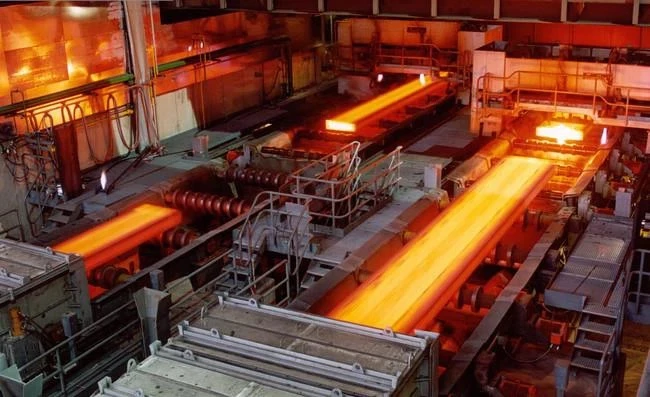
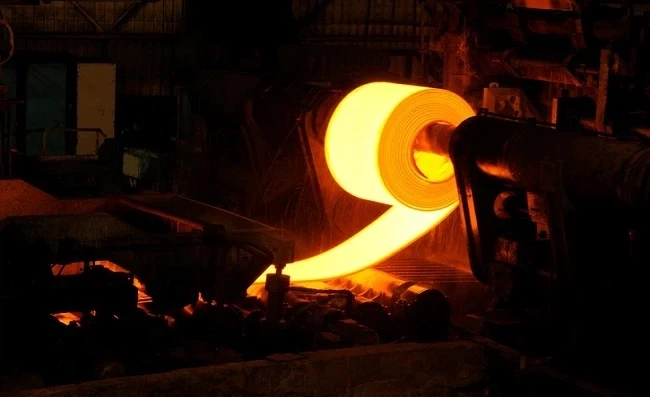
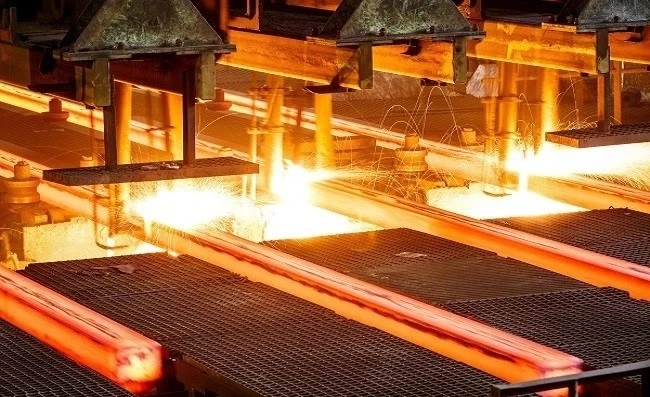
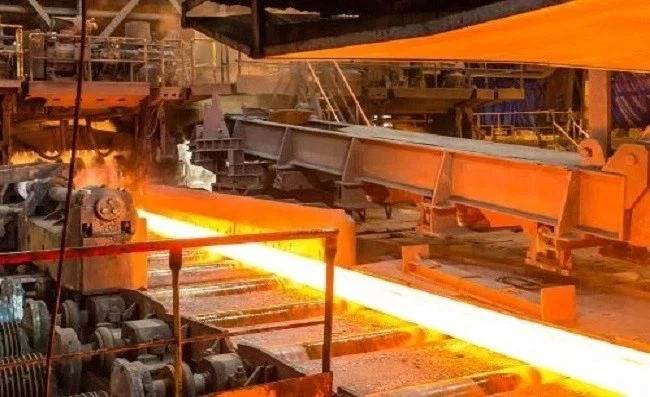
S32760 (Zeron 100 Super Duplex Stainless Steel) is suitable for stringent service conditions requiring a combination of ultra-high strength, chlorine resistance, and resistance to reducing acids. It is recommended for use in the following areas:
Application Fields
-
Oil and Natural Gas Industry (Core Applications)
● Oil and gas field pipeline systems, gathering and transportation pipelines, subsea pipelines, risers
● Downhole tools, wellhead equipment, valves, pipe fittings, flanges
● Separator, heat exchanger, pump and valve components
● Drilling platform modules, fire protection systems, seawater lift pumps
● Equipment for acidic oil and gas environments compliant with NACE MR0175 standard -
Chemical Processing and Petrochemical Engineering
● Pressure vessels, high-pressure tanks, reactors
● Heat exchangers, condensers, evaporators
● Pipeline system for conveying corrosive media (including chloride environments)
● Equipment for treating with reducing acids such as sulfuric acid and hydrochloric acid
● Distillation column, absorption tower, separator
● Chlorate Manufacturing Equipment -
Marine Engineering and Seawater Desalination
● Desalination plant pipelines, high-pressure reverse osmosis (RO) units
● Offshore platform structural components, seawater heat exchangers
● Ship ballast water system, fire water system -
Pulp and Paper Industry
● Steaming vessels, bleaching equipment, washers, and storage processing systems -
Electric Power Industry
● FGD flue gas desulfurization system, absorber tower, pipelines and flue gas ducts
● Nuclear power secondary cooling water circuit pipeline
● Geothermal power generation equipment -
Environmental Protection and Wastewater Treatment
● Wastewater treatment system, exhaust gas scrubber tower, wastewater treatment equipment
● Waste incineration flue gas treatment equipment -
Mechanics and structural components
● High-pressure rotating shafts, pressing rolls, blades, impellers, fasteners, and mechanical and structural components for high-strength and corrosion-resistant environments
● Pressure vessels, food processing equipment
Delivery and Customization
We offer flexible and reliable supply chain solutions to ensure you receive S32760 materials that perfectly match your project requirements.
|
Form |
 Sheet/Plate
|
 Bar/Rod
|
 Pipe / Tube
|
 Strip/Sheet Coil
|
 Wire/Wire Rod
|
|---|---|---|---|---|---|
|
Conventional Range |
Thickness: 0.5 - 100 mm |
Diameter Φ6-500mm |
Outer diameter Φ10-300mm |
Thickness: 0.05 – 3.0 mm |
Diameter Φ0.5-10mm |
|
Customization Capability |
Hot-rolled or cold-rolled plates, ultra-thin plates (starting from 0.1mm), stamped parts, length-cutting to specified dimensions, special surface treatments (pickling, polishing) |
Forged bars, hot-rolled bars, polished bars, shaped bars, and different heat treatment conditions (annealing, stabilization) |
Seamless tubes/ welded tubes, fixed-length cutting, dedicated for low-temperature piping |
Precision strip materials, stamping coil stock, laminated blanking, non-standard width, special protective film |
Precision drawing, welding filler wire, special surface treatment |
Why Choose Us? - Reliable Engineering Technology. Dependable Delivery.
We are not just a supplier, but a trusted materials partner for you in China.

Vertically Integrated Production
Own 20,000㎡ facility with 10+ automated lines (8,000+ tons/year). In-house tooling & die center enables rapid customization and effective cost control - no middleman markup.

Strict Quality Control at Every Stage
Full traceability across key QC checkpoints throughout production. 100% compliant with ASTM/ASME, EN, and GB standards. Material test reports available with every shipment.

Reliable Delivery & Export Packaging
10+ years exporting to Europe, North America, Southeast Asia & Middle East with waterproof and anti-rust protection, combined with flexible shipping options ensures safe and on-time arrival.

Sample Validation Before Mass Production
We provide free samples for quality verification, allowing you to place bulk orders only after approval. We ensure consistency from sample to mass production by accurate dimensional measurement and transparent manufacturing.
FAQ
Q: What are the main advantages of S32760 (Zeron 100 super duplex stainless steel)?
Q: What is the difference between S32760 and S32750 (2507)? How to choose?
Q: What is the difference between S32760 and 2205 (S32205)? How to choose?
Q: What is the maximum usage temperature for S32760?
Q: What is the welding performance of S32760?
Q: Can S32760 replace S32750 or 2205?
Hot Tags: s32760, China s32760 manufacturers, suppliers, factory


