

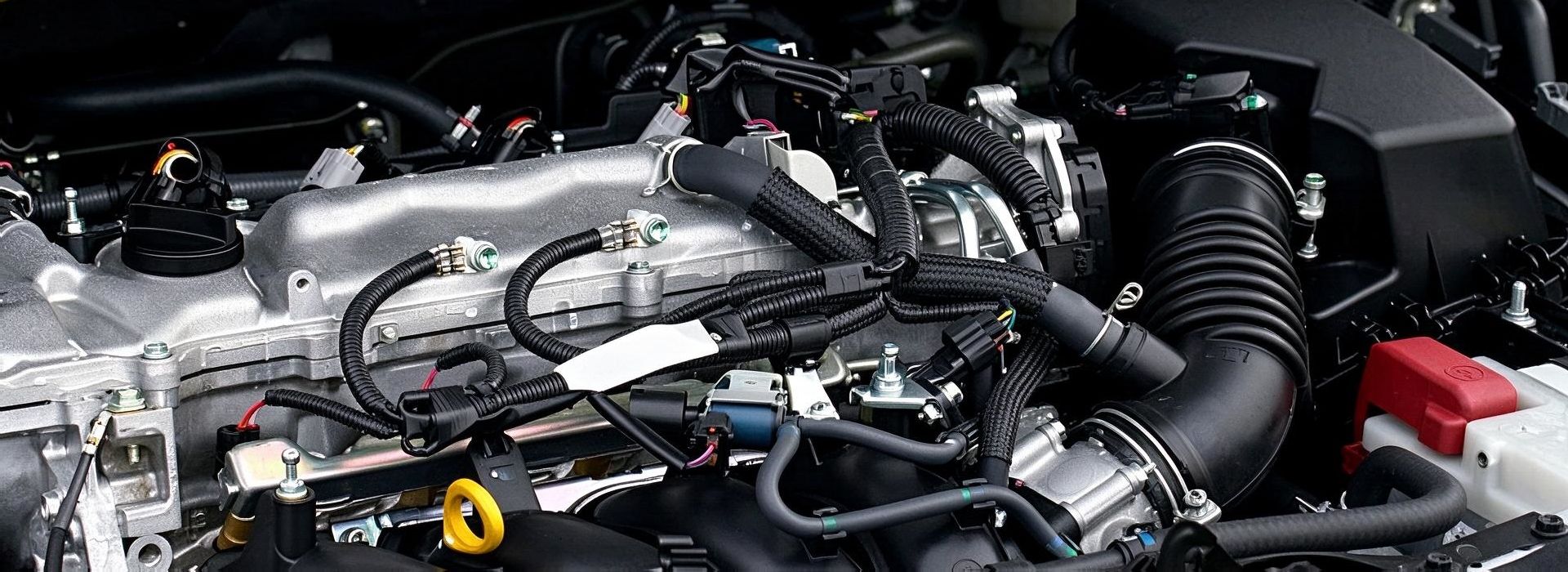
Service Conditions for Automotive Materials
Automotive and transportation components face demanding thermal, mechanical, and
environmental conditions that can affect material performance and service life.
Key Applications & Material Requirements
Different vehicle components require high-performance alloys & special steels suited to
their operating conditions, mechanical loads, and functional requirements.
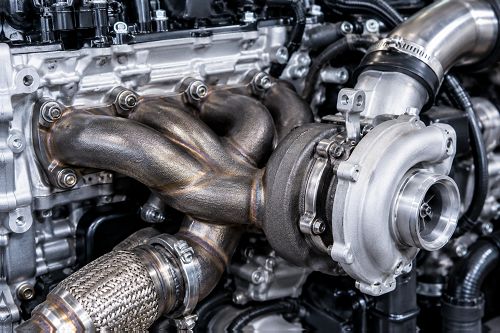
Engine & Exhaust Components
Engine and exhaust components are exposed to high temperatures, oxidation, and thermal cycles. These conditions place particular demands on high-temperature strength, oxidation resistance, and thermal stability.
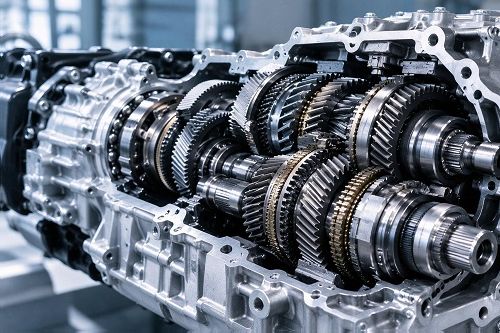
Transmission & Mechanical Components
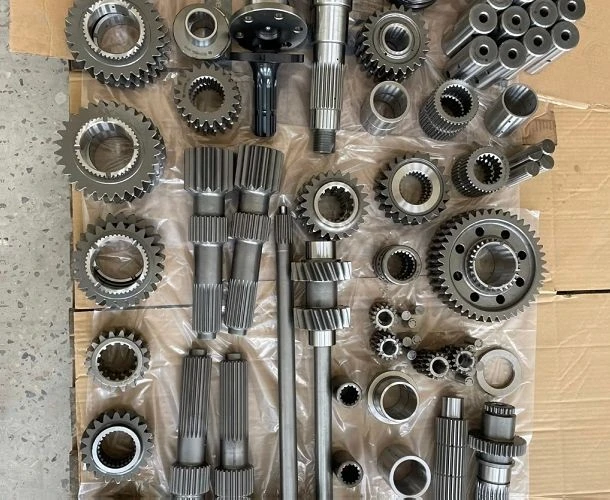
Transmission and other mechanical components are subjected to torque, impact, and cyclic loading. Strength, fatigue resistance, and wear resistance help support reliable operation under repeated mechanical stress.
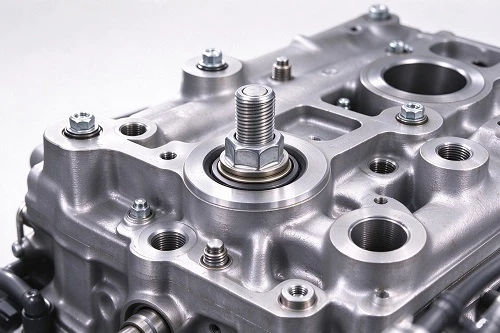
Fasteners & Mechanical Connections
Fasteners and mechanical connections must withstand preload, vibration, and dynamic loads. Adequate strength, corrosion resistance, and joint integrity are essential for maintaining secure connections in service.
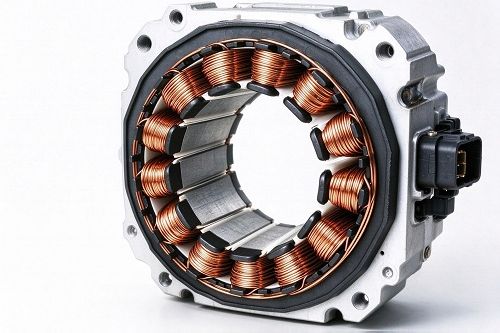
Electrical & Magnetic Components
Motors, sensors, and other electrical components may require specific electrical conductivity, magnetic permeability, or core-loss characteristics. These properties influence electromagnetic performance and the efficiency of electrical systems.
Materials & Forms Available for Your Applications
Customization for Automotive Components
With extensive manufacturing experience in specialty alloys and steels, XURUI provides customized material and
processing solutions for vehicle manufacturing and transportation applications. We work with
your specifications and drawings to address specific component requirements.
01. Material Requirements
Material specifications can be tailored to component requirements and operating conditions, including temperature, mechanical loads, wear, and corrosion resistance.
02. Dimensions & Tolerances
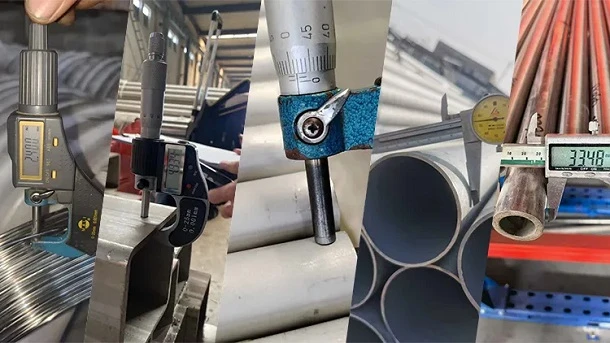
Product dimensions and tolerances can be specified according to your drawings and technical requirements, including thickness, diameter, width, and length.
03. Component Processing
Processing requirements can be defined by your component geometry, material properties, and dimensional specifications. Available options include cutting, CNC machining, forming, and other processes suited to the specified requirements.
Quality Assurance
Our ISO 9001-certified quality management system supports quality control throughout the supply process for automotive specialty metals. Material Test Certificates (MTCs) and inspection reports document material properties and test results, while batch traceability links supplied materials to their corresponding quality records. Third-party inspections by SGS, BV, or other recognized inspection bodies can be arranged upon request.


Your Material Requirements, Our Expertise