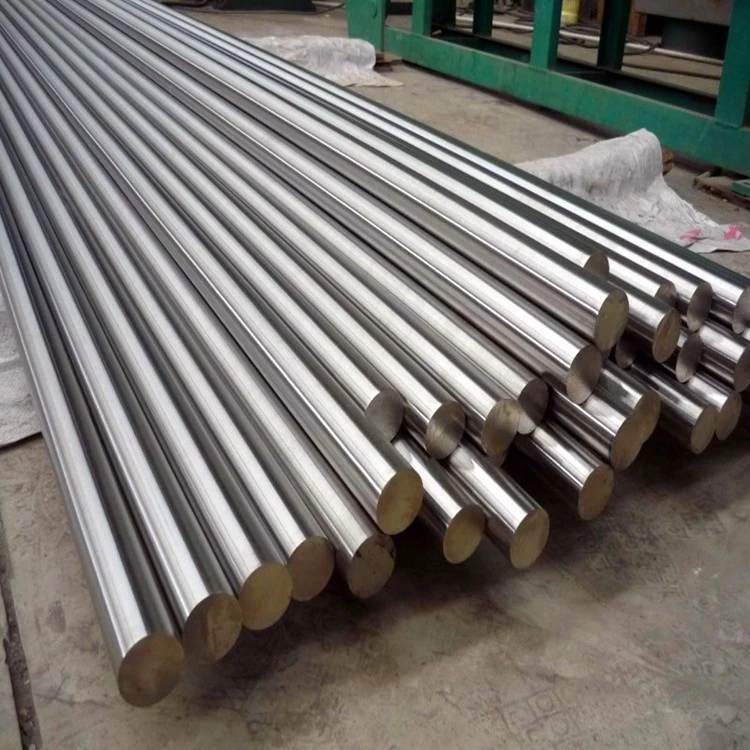
Products Features

Exceptional hardness and wear resistance
Stellite 4 achieves this through a composition design featuring high carbon, high chromium, and high tungsten, which generates a large number of hard carbides of the M₇C₃ and M₆C types (with hardness up to 1500-1800 HV). These hard carbides are uniformly distributed within a cobalt-based solid solution matrix. This composite structure of 'hard particles + tough matrix' enables it to effectively resist cutting and adhesive wear from abrasive particles. The typical hardness range in cast or weld-deposited conditions is between HRC 48-56 (approximately HV 480-600). Under dry friction conditions, its wear resistance is significantly superior to that of ordinary stainless steels and tool steels, making it particularly suitable for media containing solid particles and high-stress sliding friction applications.

Excellent High-Temperature Red Hardness and Oxidation Resistance
Stellite 4 is renowned for its outstanding high-temperature red hardness, maintaining considerable hardness even above 760°C (1400°F). At 600°C, its hardness remains around 35 HRC, and at 870°C (1600°F), it retains approximately 25 HRC. This property stems from the allotropic transformation of cobalt from hexagonal close-packed (ε-Co) to face-centered cubic (γ-Co) at temperatures above room temperature, as well as solid-solution strengthening provided by tungsten. In oxidizing atmospheres, the high chromium content promotes the formation of a dense Cr₂O₃ oxide film on the surface. After exposure to air at 800°C for 1000 hours, the oxidation weight gain is less than 1 mg/cm², offering better oxidation resistance than most iron-based heat-resistant steels.

Good Corrosion Resistance
With approximately 30% chromium content and the inherent properties of the cobalt matrix, Stellite 4 exhibits good corrosion resistance in various corrosive media. At room temperature, it can withstand sulfuric acid concentrations up to 50%, hydrochloric acid up to 30%, and all concentrations of sodium hydroxide solutions, with corrosion rates typically below 0.1 mm/a. In oxidizing media such as nitric acid, its corrosion resistance is even superior to some nickel-based alloys. In seawater and chloride solutions, it primarily exhibits pitting corrosion rather than uniform mass loss. However, performance is limited in strongly reducing acids (e.g., concentrated hot hydrochloric acid) and fluorine-containing media.

Machining and Processing Characteristics
Stellite 4 is a brittle wear-resistant material with a room-temperature tensile strength of approximately 550-900 MPa and an elongation at fracture of only 1-3%. Its impact toughness is relatively low (Charpy V-notch impact energy <10 J), making it unsuitable for applications subject to severe impact loads. However, it performs excellently under sliding wear and fretting wear conditions. The alloy is typically formed by precision casting or powder metallurgy. Common application methods include cladding (PTA, TIG, oxy-acetylene). Due to its high susceptibility to hot cracking, preheating to 300-600°C and control of interpass temperature are required during welding, followed by slow cooling after welding. Due to its extremely high hardness, grinding or electrical discharge machining (EDM) is recommended for finishing.
Technical Specifications
Chemical Composition
|
Element |
Standard Requirements |
Notes |
|
Co |
Remaining quantity |
Matrix elements that provide high-temperature strength, thermal stability, toughness, and inherent corrosion resistance |
|
Cr |
28.0 - 32.0% |
Form a dense Cr₂O₃ protective film, providing oxidation and corrosion resistance, and is also a main component of hard carbides |
|
W |
13.0 - 16.0% |
Provide solid solution strengthening, form hard and wear-resistant carbides with carbon, significantly enhancing high-temperature hardness and creep resistance |
|
C |
2.0 - 3.0% |
Forming a large amount of high-hardness carbides (M₇C₃, M₆C) with chromium and tungsten, this is the core source of ultra-high wear resistance. |
|
Fe |
≤ 3.0% |
Strictly control to ensure purity and microstructural stability |
|
Ni |
≤ 3.0% |
Strictly control to prevent excessive nickel from causing embrittlement |
|
Si |
≤ 2.0% |
Deoxidizer |
|
Mn |
≤ 1.0% |
Deoxidizer, improve processing performance |
|
Mo |
≤ 1.0% |
Optional small additions to provide enhanced solid solution strengthening and pitting corrosion resistance |
Physical Properties
|
Property |
Value/Range |
Test Conditions |
|
Density |
8.69 - 8.87 g/cm³ |
Room temperature (20°C) |
|
Melting Point |
1190 - 1420°C |
- |
|
Coefficient of Thermal Expansion (20-100°C) |
11.5 - 12.5 × 10⁻⁶ /K |
- |
|
Elastic modulus (Young's modulus) |
205 - 230 GPa |
Room temperature |
|
Thermal conductivity (20°C) |
14.5 - 14.8 W/(m·K) |
- |
|
Resistivity (20°C) |
0.85 - 0.94 μΩ·m |
Room temperature |
|
Magnetism |
Non-magnetic (weakly magnetic) |
Cobalt-based alloys are typically non-magnetic or weakly magnetic at room temperature |
Mechanical Properties (Cast/Welded Condition, Typical Values)
|
Property |
Typical Value |
Specification |
|
Hardness (Cast/Weld Overlay Condition) |
48 - 56 HRC(480 - 600 HV) |
AWS A5.21 ECoCr-C |
|
Tensile Strength |
550 - 900 MPa |
- |
|
Yield Strength (0.2% Offset) |
500 - 700 MPa |
- |
|
Elongation |
1 - 3% (brittle material) |
- |
|
Compressive strength at room temperature |
2000 - 2500 MPa |
- |
|
Impact toughness |
Charpy V-notch impact energy < 10 J |
- |
Note: Stellite 4 is a brittle wear-resistant material. Its main performance indicators are hardness and wear resistance. It has low tensile strength and extremely poor plasticity, and is generally not recommended for structural components subjected to high tensile loads.
High-temperature performance
Stellite 4 exhibits exceptional ability to maintain hardness at high temperatures. Below are typical reference values for hardness variation with temperature:
|
Temperature |
Typical hardness |
|
Room Temperature |
48 - 56 HRC |
|
400°C(750°F) |
40 HRC |
|
600°C(1110°F) |
35 HRC |
|
760°C(1400°F) |
30 HRC |
|
870°C(1600°F) |
25 HRC |
Antioxidant Performance:
In high-temperature oxidation environments, Stellite 4 forms a dense Cr₂O₃ oxide film on its surface. After exposure to air at 800°C for 1000 hours, the oxidation weight gain is less than 1 mg/cm², offering better antioxidant properties than most iron-based heat-resistant steels. Even in the temperature range of 500-700°C, where frictional heating causes a sharp rise in surface temperature, it does not soften rapidly like ordinary tool steels.
Long-Term Thermal Stability:
When in service at temperatures above 600°C for extended periods, the alloy exhibits excellent microstructural stability with no significant phase transformation or softening. The solid solution strengthening from tungsten in the cobalt matrix and the structural stability of carbides collectively ensure long service life under high-temperature conditions.
Applicable Media:
1. Seawater, saltwater (excellent pitting corrosion resistance; primarily exhibits pitting rather than uniform corrosion)
2. Oxidizing acids: Nitric acid (superior corrosion resistance at room temperature, even better than some nickel-based alloys)
3. Non-oxidizing acids: Sulfuric acid (concentration ≤50%), hydrochloric acid (concentration ≤30%) (corrosion rate typically <0.1 mm/a)
4. Alkaline solutions: Sodium hydroxide, potassium hydroxide (resistant to all concentrations)
5. Organic acids: Acetic acid, formic acid, etc.
6. High-temperature oxidizing atmospheres, sulfur/chlorine-containing gases (a protective Cr₂O₃ film forms on the surface)
Note: Stellite 4 has limited corrosion resistance in strongly reducing acids (e.g., concentrated hot hydrochloric acid) and fluorine-containing media. In high-stress friction conditions, the oxide film is prone to damage; lubrication should be used in conjunction to maintain corrosion resistance.
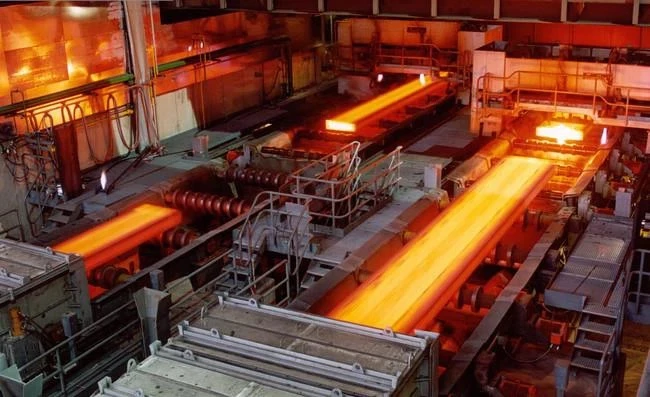
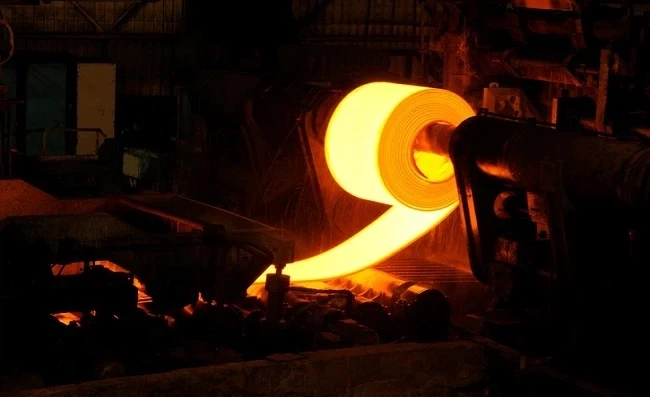
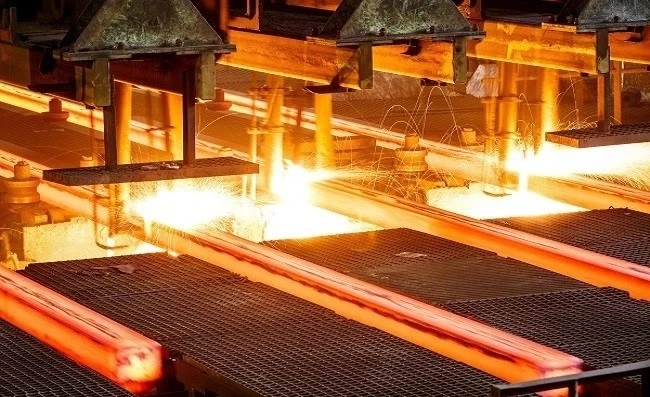
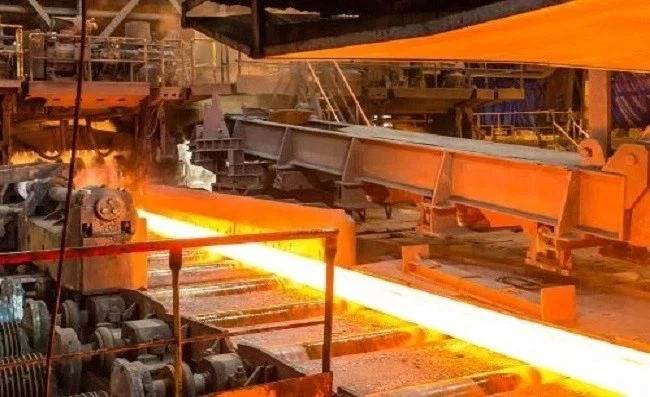
Stellite 4 is designed for harsh applications requiring extremely high wear resistance and high-temperature hardness, recommended for the following fields:
Application Fields
-
Aerospace and Energy: Gas turbine seals, blade wear strips, combustion chamber components, and engine valve sealing faces. It maintains high hardness and excellent wear resistance at temperatures above 760°C, along with good thermal fatigue stability.
-
Oil and Gas: Wear-resistant parts of downhole tools, valves, drill pipe joints, drill bits, and valve sealing faces (seats, discs, stems). It resists high-speed erosion and abrasive wear from sand-laden and particulate media.
-
Chemical and Valve Industry: Pump casings, rotating seal rings, wear pads, impeller screws, bearing bushes, mechanical seal rings, and sealing faces, as well as sealing faces and wear-resistant linings for various control valves, ball valves, and gate valves.
-
Industrial Machinery and Tools: Hot shear blades, hot forging die inserts, casting die components (gates, plungers), centerless grinding machine supports, screw presses, extruder screws, and special cutting edges for plastic processing.
-
Nuclear Power Industry: Nuclear island valve seals and nuclear-grade wear-resistant linings. It offers high radiation tolerance, organizational stability under thermal cycling conditions, and excellent anti-seizing and anti-fretting wear properties.
-
Shipbuilding and Offshore Engineering: Wear-resistant surfaces of propeller shafts and pump/valve components, resisting the synergistic effects of seawater corrosion and mechanical wear.
-
Mining and Slurry Transport: Mine drill bits, crushers, slurry pump wear sleeves, and wear pads, resisting high-speed erosion and severe abrasive wear from hard particles.
-
Automotive and High-Performance Internal Combustion Engines: High-performance exhaust valves and other high-temperature friction parts of engines, maintaining good wear and anti-seizing resistance at temperatures between 500-800°C.
-
Hot Work Tools and Glass Forming: Hot shear blades, glass molds, and hot extrusion dies, due to their good high-temperature hardness and corrosion resistance to molten glass.
Delivery and Customization
We offer flexible and reliable supply chain solutions to ensure you receive Stellite 4 materials that perfectly match your project requirements.
|
Form |
 Sheet/Plate
|
 Bar/Rod
|
 Seamless Pipe
|
 Strip/Sheet Coil
|
 Wire/Wire Rod
|
|---|---|---|---|---|---|
|
Conventional Range |
Thickness: 0.5 - 100 mm |
Diameter Φ6-500mm |
Outer diameter Φ10-300mm |
Thickness: 0.1 – 3.0 mm |
Diameter Φ0.5-10mm |
|
Customization Capability |
Special thick/thin rolling, ultra-wide plates; special surface treatment, fixed-length cutting |
Large-sized forged bars (up to Φ800 mm), special-shaped bars, and various heat treatment conditions |
Large-diameter thick-walled pipes, special alloy composition; Pipe end processing (beveling, fixed length) |
Different hardness conditions, special heat treatments (stabilization treatment, grain size control), acid-washed surfaces, electrolytic polishing, coatings, or special protective films |
Special surface treatment, precision drawing |
Why Choose Us? - Reliable Engineering Technology. Dependable Delivery.
We are not just a supplier, but a trusted materials partner for you in China.

Vertically Integrated Production
Own 20,000㎡ facility with 10+ automated lines (8,000+ tons/year). In-house tooling & die center enables rapid customization and effective cost control - no middleman markup.

Strict Quality Control at Every Stage
Full traceability across key QC checkpoints throughout production. 100% compliant with ASTM/ASME, EN, and GB standards. Material test reports available with every shipment.

Reliable Delivery & Export Packaging
10+ years exporting to Europe, North America, Southeast Asia & Middle East with waterproof and anti-rust protection, combined with flexible shipping options ensures safe and on-time arrival.

Sample Validation Before Mass Production
We provide free samples for quality verification, allowing you to place bulk orders only after approval. We ensure consistency from sample to mass production by accurate dimensional measurement and transparent manufacturing.
FAQ
Q: What are the main advantages of Stellite 4?
Q: What heat treatment is required for Stellite 4?
Q: What is the maximum service temperature?
Q: What is the difference between Stellite 4 and Stellite 6?
Hot Tags: stellite 4, China stellite 4 manufacturers, suppliers, factory